Answers
What makes an invention patentable?
A patentable invention must meet a few basic legal tests, but the answer depends on the facts. We explain the general rules and help you find a licensed patent professional for case-specific guidance.
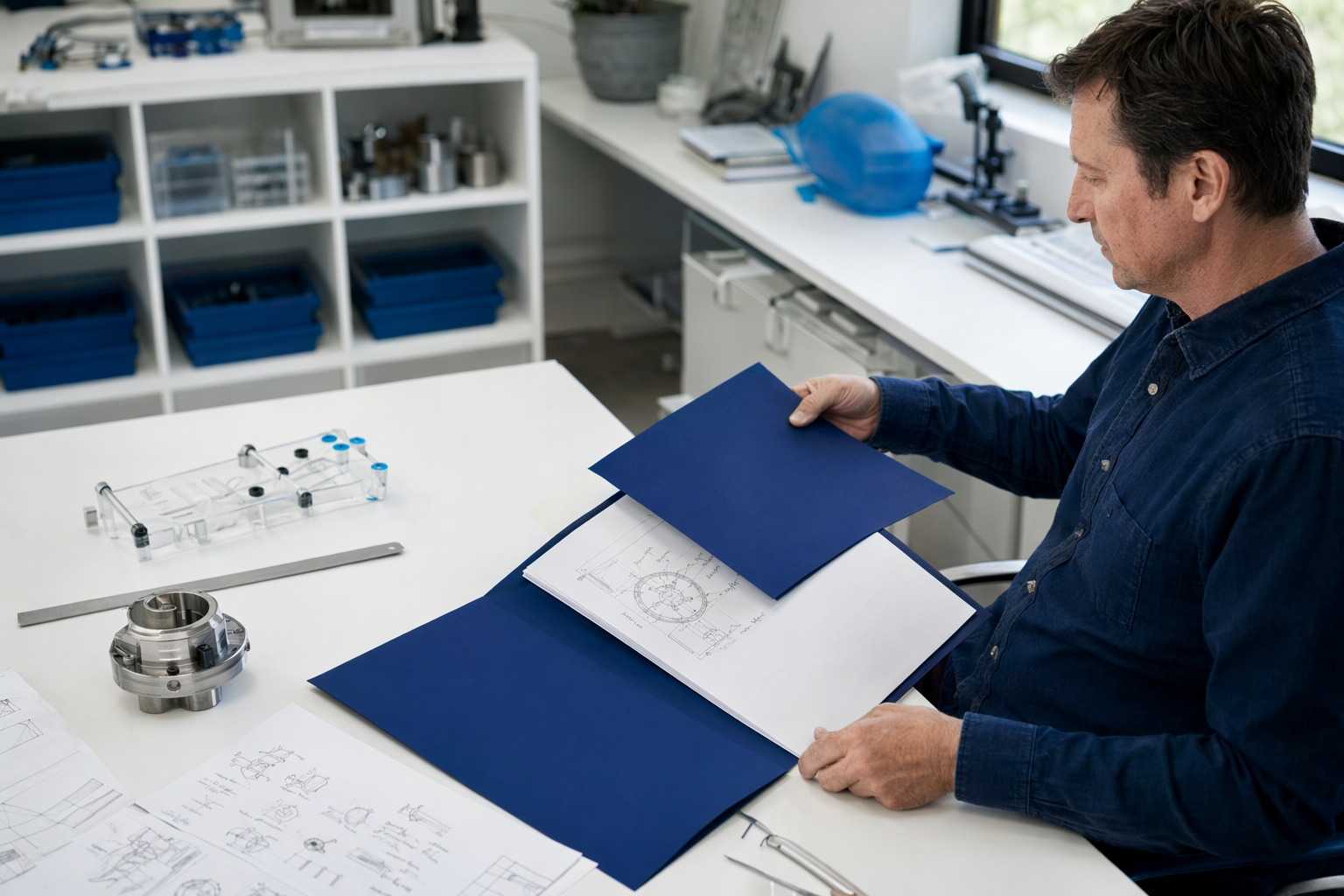
The basic patent test
In the US, a patent protects a new and useful invention. A patent is a legal right that can stop others from making, using, selling, or importing the invention for a limited time, if it meets the law’s requirements.
Most utility patent questions focus on three things: the invention must be new, it must be useful, and it must not be an obvious change to what already exists. A utility patent covers how something works. A design patent covers how something looks, not how it works.
The US Patent and Trademark Office, or USPTO, looks at the application and the prior art. Prior art means public information that came before your filing date, such as patents, published applications, products, articles, videos, or public use. We can help you find a licensed patent attorney or registered patent agent who can review your situation.
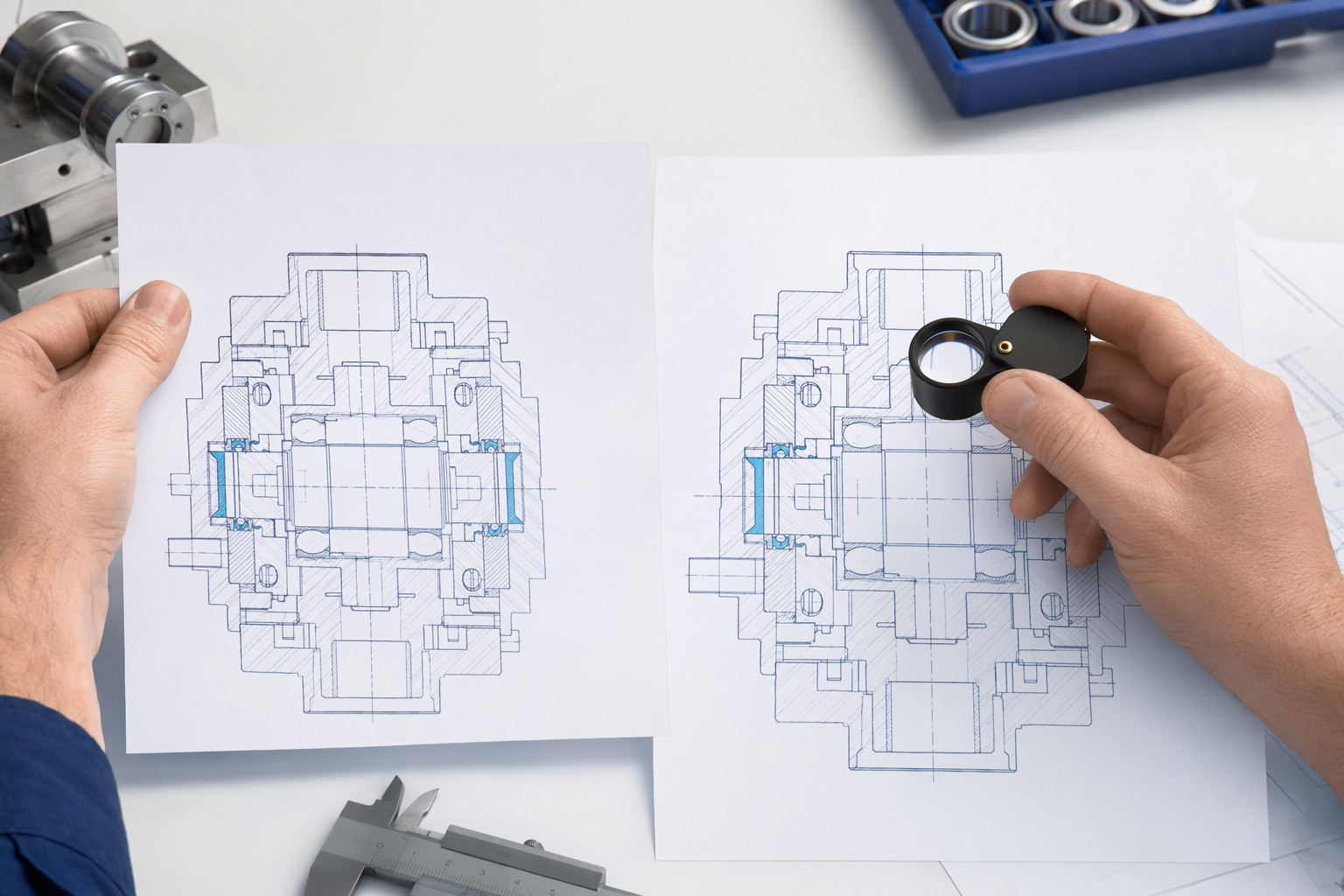
What “new” means in practice
A common issue is whether the invention was already disclosed before the filing date. Your priority date is the date the USPTO treats as the starting point for judging what counts as new for your application.
If the same idea was already public, it may not be patentable. That can include a product on the market, a conference talk, a website post, or a patent publication. Small changes to an existing product do not always make it patentable.
There are also timing rules that can matter after you share or sell an invention. Because those rules can be strict and fact-specific, it is wise to speak with a licensed professional before making public disclosures.
Useful, non-obvious, and clearly described
Useful means the invention does something practical. It does not have to be revolutionary, but it must work for a real purpose.
Non-obvious means the invention is not just an easy combination or minor change that someone skilled in the field would likely make based on prior art. This is often one of the hardest parts of a patent review.
The application also has to describe the invention clearly enough for others to understand what it is and how to make and use it. A patent application often includes claims. Claims are the numbered sentences that define the legal boundaries of the patent if one is granted.
Common examples that may or may not qualify
Many kinds of inventions can be patentable if they meet the rules. Examples can include a new machine, a manufacturing process, a chemical composition, a software-related method in some cases, or a new product design.
Not every idea qualifies. A broad concept, a business method without a real technical or legal basis, or something that is already known usually will not be enough on its own. Improvements can sometimes be patentable, but only if the improvement is new and non-obvious.
If you are not sure which type of protection fits, it can help to compare patents, trademarks, and copyrights. Learn the basics or see how we help you get matched.
How to check your next step
A careful patentability review usually starts with a search for prior art and a plain-language review of what is truly new about the invention. A licensed patent attorney or registered patent agent can help you judge whether a provisional application or a non-provisional application makes sense. A provisional application is a lower-cost filing that can set an early filing date, but it does not become a patent by itself. A non-provisional application is the formal patent application the USPTO examines.
FiledClaim is free for people looking for help. We connect you with a licensed patent attorney or registered patent agent. Participating professionals pay a flat marketing fee, not a share of your legal fees.
If you want a simple starting point, visit our services or get matched with a professional.
A patentable invention is usually new, useful, and not an obvious copy or small change to what was already public.
Common questions
Can I patent an idea before I build it?
You may be able to file for a patent before a finished product exists, but the application still has to describe the invention clearly enough for someone to understand and use it. A licensed patent professional can explain what level of detail your case needs.
Does public disclosure hurt my patent rights?
It can. Publicly sharing, selling, or posting details about an invention may affect patent rights, and the rules can depend on timing and the country involved. It is smart to speak with a licensed patent attorney or registered patent agent before you disclose anything publicly.
What is the difference between a provisional and a non-provisional patent application?
A provisional application is an early filing that can help establish a filing date, but it is not examined and does not become a patent on its own. A non-provisional application is the formal application the USPTO reviews for a possible patent.
Where can I verify official patent information?
Use the USPTO at USPTO.gov for patent rules, forms, and official guidance. For copyrights, use Copyright.gov. For case-specific help, speak with a licensed patent attorney or registered patent agent.