What to protect
Copyright protection
Learn how copyright protection works in the US, when registration with the Copyright Office can help, and how copyright differs from patents and trademarks. We also help you find a licensed IP professional.
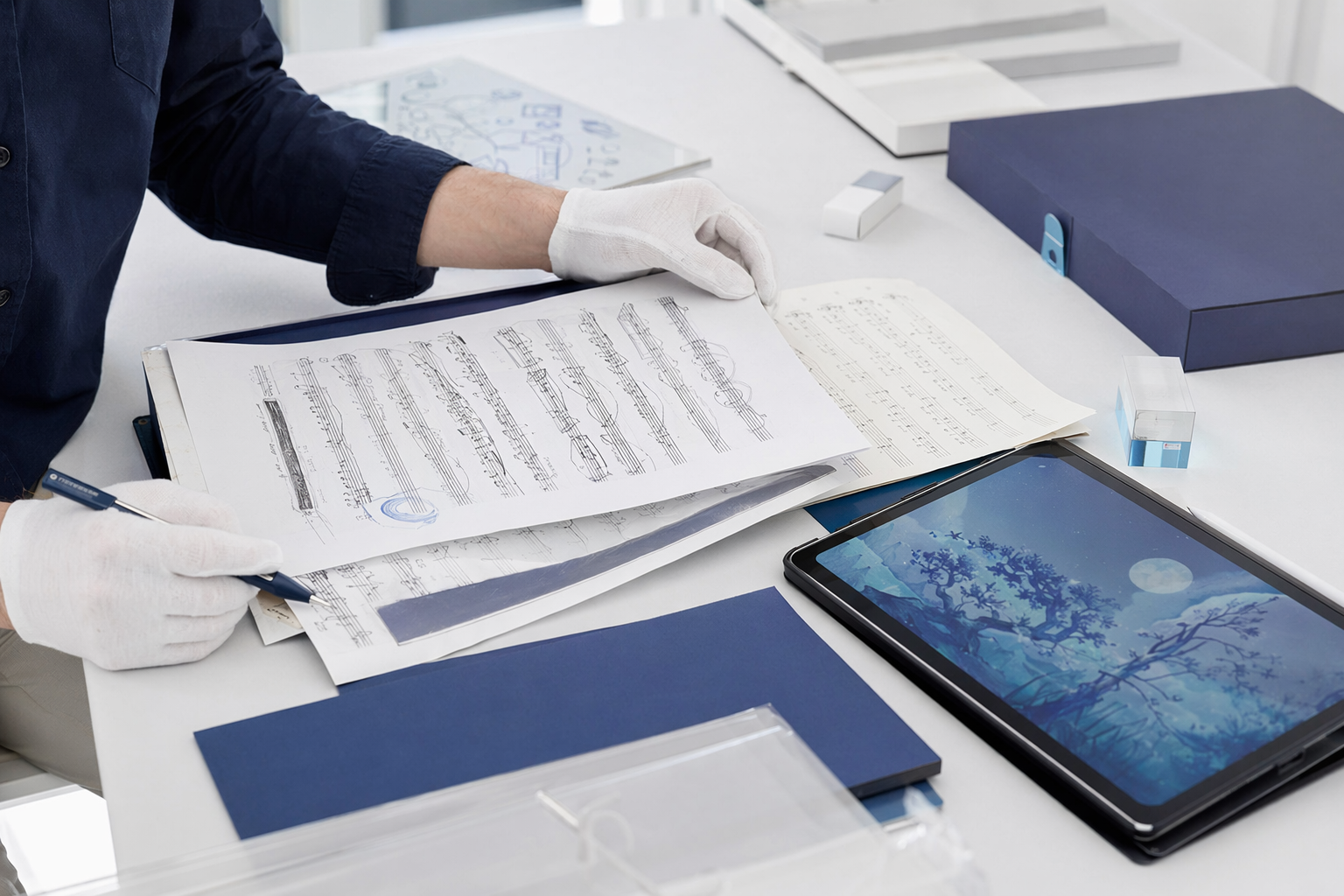
What copyright protects (and what it doesn’t)
Copyright is a type of intellectual property that protects original creative works fixed in a “tangible” form—meaning you can copy or display it. Common examples include writing, music, photographs, drawings, software code (as a work of authorship), and certain audiovisual materials.
Copyright does not protect ideas themselves. It protects the expression of ideas—like a specific way you wrote a paragraph, arranged notes in a melody, or created the visual content in a design.
Also, copyright protection is not the same as ownership of a website, a brand, or a product. A copyright might protect the text on a site, but it usually does not give exclusive rights to a name or slogan (that’s more in the trademark area).
- Protects original expression you can fix in a tangible form
- Does not protect general ideas, facts, or procedures

Automatic copyright vs. registration with the US Copyright Office
In the US, copyright generally exists automatically when you create and fix an original work in a tangible form. This means you may already have copyright protection even if you never register.
However, “registration” means filing an application with the US Copyright Office, a federal agency within the Library of Congress. Registration can strengthen your position if a dispute arises. It can also be important for certain kinds of legal claims. Requirements can depend on the type of work and timing.
Because details matter, it’s a good idea to check the official guidance from [US Copyright Office registration information](https://www.copyright.gov/). A licensed copyright attorney can also explain which steps fit your situation.
- Copyright often exists automatically upon creation and fixation
- Registration with the US Copyright Office is a separate step with potential benefits
When registration is commonly considered
Many creators consider registration when they want stronger options for enforcing their rights, especially if they plan to send takedown notices, respond to infringement claims, or protect commercial assets.
Registration timing can matter. Some works may also have specific deposit or application requirements based on the medium (for example, published vs. unpublished works). If your work is being used by others without permission, acting promptly may be important.
If you’re not sure whether registration makes sense for your situation, we help you find a licensed IP professional who can review the basics (type of work, how it was created, and how it’s being used) without you sharing sensitive or confidential details you don’t want to provide.
- Often considered when enforcement or licensing is a concern
- Timing and work type can affect the best next step
Copyright compared to patents and trademarks (plain differences)
People often mix up patents, trademarks, and copyright because they all relate to intellectual property. But they protect different things.
A patent protects certain inventions—typically new and useful processes, machines, manufactured items, or improvements. Patents are handled through the USPTO (US Patent and Trademark Office) and have categories like utility patents (functional inventions) and design patents (ornamental designs). A trademark protects words, phrases, symbols, and designs that identify the source of goods or services.
Copyright protects original creative expression. For example, a patent might cover a new device or method, a trademark might cover your product name or logo, and copyright might cover your manuals, photos, website content, artwork, and software code.
If you’re building a startup, publishing content, or commercializing a creative work, you may need more than one type of protection. A professional can help you sort out which rights apply.
- Patent: invention (utility/design via USPTO)
- Trademark: brand identifiers (via USPTO)
- Copyright: original creative expression (via US Copyright Office)
How FiledClaim helps you move forward
FiledClaim is a free service that helps you understand US intellectual property concepts and the process at a high level. We’re not a law firm and we don’t provide legal advice.
If you want to talk with a licensed IP professional about copyright registration, enforcement strategy, licensing questions, or how copyright may interact with your business, we help you find someone appropriate. You’ll share contact details and a short, non-confidential description of your work and your question—enough for a professional to decide whether they can help.
To get started, you can use How it works and then visit get matched. If you’d like to explore other IP services we cover, see services.
- Free educational guidance on copyright and related IP basics
- Helps you find a licensed copyright professional

Practical next steps (without sharing sensitive details)
Before contacting a professional, gather what you already have: the type of work (book, photo set, music, code, video, artwork), when you created it, and how it was first published or released (if you know). If you have versions or drafts, keep them for your records.
If you suspect infringement, note what you observed (for example, where you saw the copied work and when). Avoid sending confidential source material in a first message if you’re unsure what’s required.
If you decide to pursue registration, the US Copyright Office provides forms, instructions, and filing options on [copyright.gov](https://www.copyright.gov/). A licensed professional can help you understand what information is needed and how to complete the application accurately for your work type.
- Identify your work type and your timeline (creation and publication)
- Document what you observed if you suspect infringement
Copyright protects original creative expression, registration with the US Copyright Office is a separate step to consider in many cases, and FiledClaim helps you understand options and connect with a licensed IP professional.
Common questions
Do I automatically have copyright protection in the US?
In many cases, copyright exists automatically when you create and fix an original work in a tangible form. Registration is a separate step with potential advantages, especially if enforcement becomes necessary.
What is the US Copyright Office?
The US Copyright Office is a federal office that handles copyright registration and publishes guidance and forms. You can find official rules and instructions at https://www.copyright.gov/.
Does copyright protect my business name or logo?
Usually, no. Business names and logos are typically addressed through trademark law. Copyright can protect creative elements like certain graphic artwork, but trademark protection is generally what covers brand identifiers.
When is it worth registering a copyright?
Many creators consider registration when they want stronger options for enforcing their rights, licensing, or addressing infringement. Timing and the type of work can affect the best approach, so it helps to confirm details with a licensed professional.
Can FiledClaim give legal advice?
No. FiledClaim is not a law firm and does not provide legal advice. We provide general, educational information and help you find a licensed copyright professional to discuss your situation.