What to protect
Patent protection
A US patent can help protect how an invention works or how it looks. FiledClaim is free, and we help you find a licensed patent attorney or registered patent agent who can review your situation.

What a patent is
A patent is a government-granted right that can stop others from making, using, selling, or importing an invention in the US for a limited time, if the invention meets the law’s requirements. A patent does not give you the right to use an invention if another law applies; it only gives rights against others.
The US Patent and Trademark Office, or USPTO, is the federal agency that handles patent applications. A patent professional can help you understand the process, but the rules are detailed and the outcome depends on the facts of each case.
If you are new to the US system, it is normal to start with a short conversation about your idea, your timeline, and what stage you are in. We help you connect with a licensed professional who can explain the next step in plain language.
Utility patents and design patents
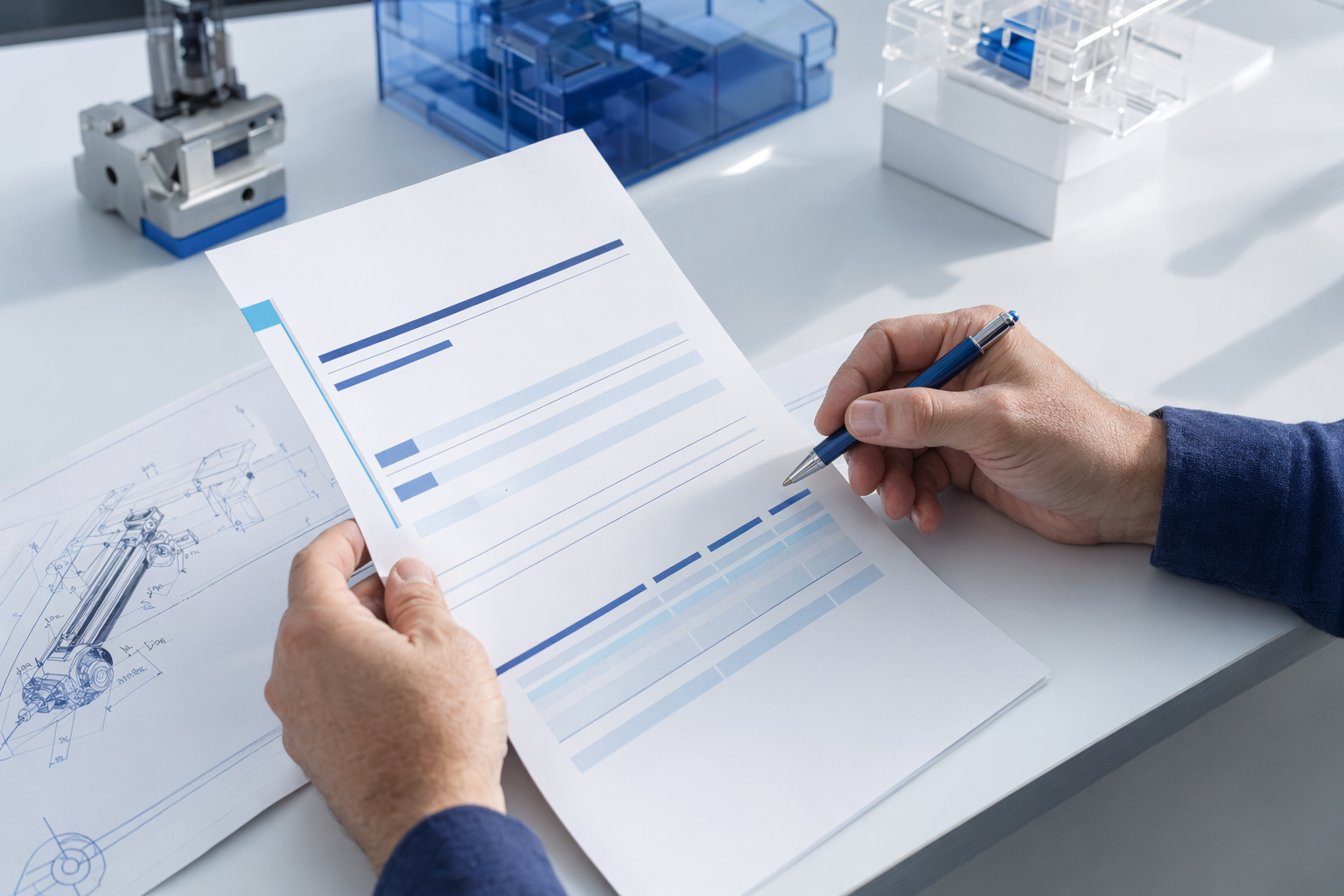
There are two main kinds of patents people ask about most often. A utility patent protects how an invention works, how it is used, or how it is made. A design patent protects the ornamental design of a useful item, meaning the way it looks, not how it functions.
A utility patent usually matters for products, machines, methods, chemical compositions, software-related inventions, and improvements to existing products. A design patent is often used when the appearance of a product is new and important.
A patent attorney or registered patent agent can help you decide which type may fit your idea. That choice matters, because the application must match what you are trying to protect.
Key terms in a patent process
A claim is the part of a patent application that defines the legal boundaries of what the inventor wants protected. Claims are very important because they set the scope of protection if a patent is granted.
Prior art means information that was already public before a key date, such as earlier patents, published articles, product pages, videos, or public sales. Prior art can affect whether an invention is considered new.
A provisional application is a simpler filing that can help establish an early priority date, which is the date the USPTO looks to when comparing your filing with later public disclosures or other filings. A non-provisional application is the full patent application the USPTO examines for a utility patent. A design patent uses a different application form and process.
An office action is a written notice from the USPTO that raises questions, objections, or rejections during examination. A licensed patent professional can help you respond, but no one should promise a result.
How FiledClaim helps
FiledClaim is not a law firm, and we do not give legal advice. We are a free service that helps you find a licensed patent attorney or registered patent agent, based on your needs and your stage in the process.
You share only basic contact details and a short, non-confidential description of the invention area. Do not send secret technical details, source code, or anything you are not ready to make part of a normal intake conversation.
If you want to move forward, start here: Get matched. You can also learn more about the process on How it works or browse other options on Services.

What to expect when you speak with a professional
A patent attorney or registered patent agent may ask about what your invention does, what problem it solves, whether it has been shown or sold, and what documents you already have. They may also discuss search steps, filing choices, timing, and likely costs.
Fees vary by case. FiledClaim is free for you. Participating professionals pay a flat marketing fee to be listed or connected through our service. Any attorney or agent should explain their own flat fees and what is included before you decide anything.
Because patent rules are technical and facts matter, it is wise to rely on the USPTO.gov website for official information and on a licensed professional for advice about your specific situation.
A patent may protect how an invention works or looks, and FiledClaim helps you find a licensed patent professional for a free first connection.
Common questions
What is the difference between a patent and a trademark?
A patent protects an invention, while a trademark protects a brand name, logo, or other source identifier. If you are trying to protect how a product works, patent law may be relevant; if you are trying to protect your brand, trademark law may be relevant.
Can I get a patent just by having an idea?
Usually no. A patent application needs a real invention description, and the invention must meet legal requirements such as novelty and non-obviousness. A patent professional can explain what evidence and details are normally needed.
Should I file before I tell people about my invention?
Many people speak with a patent professional before public disclosure because public sales, posts, demos, or articles can affect patent rights. The timing rules can be important, so it is best to get guidance early.
What is a priority date?
A priority date is the date used to measure what counts as earlier or later in the patent process. In many cases, filing earlier can matter, but the exact rules depend on the type of filing and the facts.
Do you guarantee that I will get a patent?
No. No honest service can promise a patent will be granted. A licensed patent attorney or registered patent agent can help you understand your options and risks, but the USPTO makes the final decision.