Answers
What is prior art?
Prior art is information that was made public before your filing date. In the US, it can affect whether an invention can get a patent and how strongly you can protect your idea.
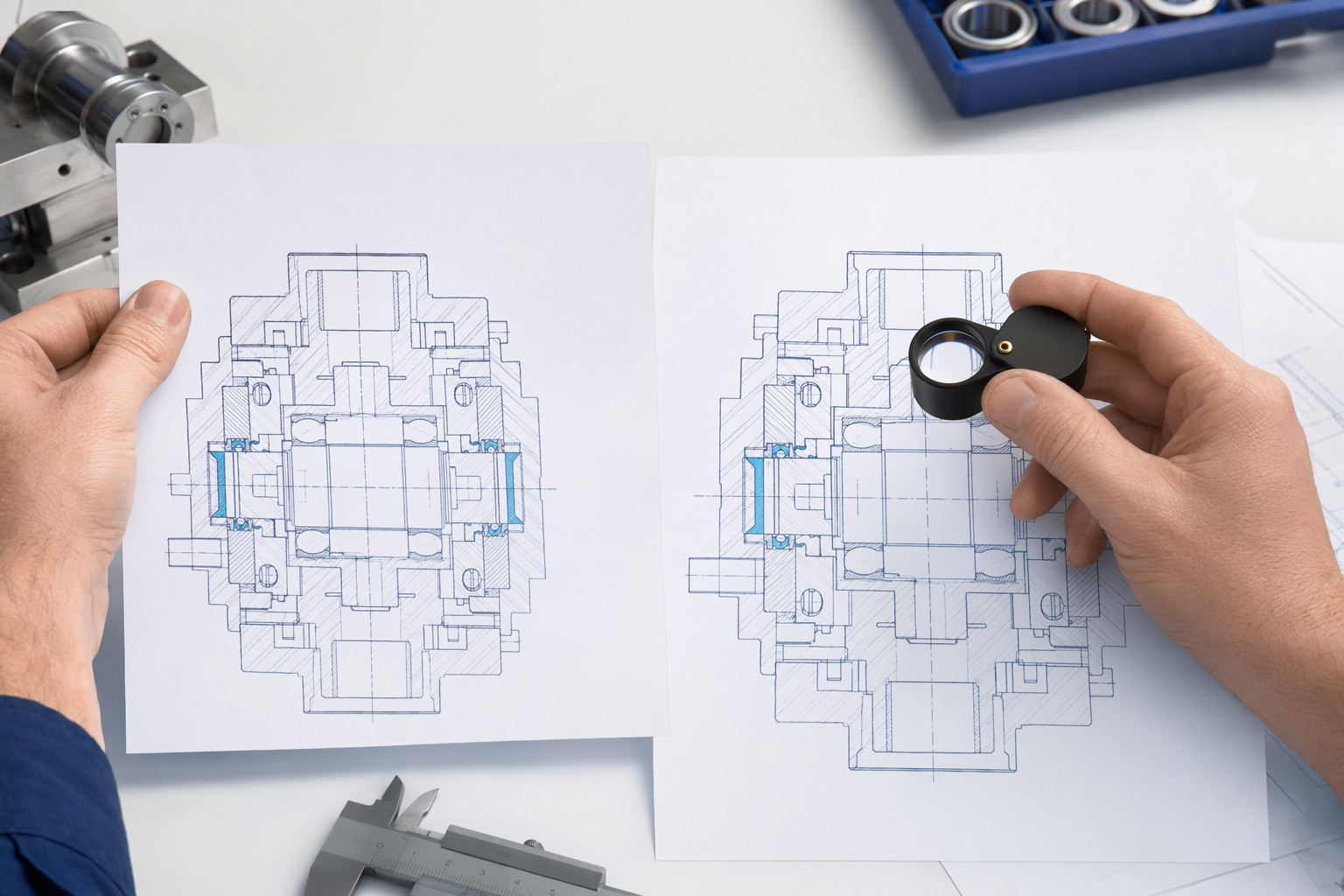
Prior art, in plain language
Prior art means earlier information that already existed before a key date in your case. That information can include published patents, printed documents, websites, journal articles, products for sale, and public use.
In US intellectual property (IP) discussions, prior art usually matters most for patents. But it can also matter for trademarks in different ways (for example, whether something similar is already being used in commerce).
- Think of prior art as “already out there” information.
- It is evaluated against your idea and what you claim to protect.

Why prior art matters for patents
A patent is a legal right granted by the US government that can let an owner stop others from making, using, selling, or importing an invention for a limited time. To get a patent, your invention must meet legal requirements.
One common requirement is that the invention must be new and not an obvious step over earlier public information. Prior art is what examiners look at when deciding whether your invention meets those requirements.
Important: we cannot tell you how your specific case will turn out. But understanding prior art early can help you avoid surprises and choose a better filing strategy with a licensed professional.
- Prior art can affect “novelty” and “non-obviousness” for a patent.
- What you write in your patent application matters, and so does what existed before your date.
What counts as prior art (and what usually doesn’t)
Prior art can include:
• Published patent documents and patent applications
• Printed publications (books, magazines, catalogs)
• Journal articles and conference papers
• Public websites and online postings (including product pages)
• Products that were sold, offered for sale, or publicly used
• Public demonstrations or presentations
Prior art can also include certain unpublished information in specific situations, depending on the law and facts. For that reason, the exact “what counts” can be technical.
What usually does *not* count is private, confidential information that was never made public. But if something was discussed in public, posted online, sold, or demonstrated, it may become prior art.
- Publicly available information is often the main target.
- The details can vary by type of IP and by the date and context.
Key dates: filing date, priority date, and the “before” rule
In the US patent system, prior art is typically evaluated based on the “before” timing relative to important dates in your application. Two terms you’ll hear are:
• Filing date: the date your application is submitted to the USPTO (the US Patent and Trademark Office).
• Priority date: a date you may be able to claim based on an earlier filing in certain cases.
You may also hear about provisional and non-provisional applications. A provisional application is a filing that establishes an early date and can be used to claim priority, but it does not itself become a granted patent. A non-provisional application is the formal application examined for patentability.
Because rules can depend on the type of filing and timing, it’s helpful to review your plan with a licensed patent professional. If you want to see our process for connecting you, visit how it works and guides.
- Prior art is about information made public before your relevant date.
- Provisional vs non-provisional can change how you plan dates.
How to approach a prior art search (without getting lost)
A prior art search is a process to find earlier information related to your invention so you can understand what already exists. You don’t need to be a patent expert to start.
Begin by writing a simple description of the problem your invention solves and the main components or features. Then search for terms that describe those features, including synonyms. Look at patents and non-patent literature for similar solutions. Pay attention to the earliest dates you can find.
If you’re new to the USPTO process, start with general learning and then consider a professional search for thoroughness. You can also explore our learning content at patent and IP guides and our matching steps at get matched.
- Search using feature-based language, not just product names.
- Try to identify the earliest publication dates you find.
Where to learn more from official sources
For definitions and official rules, the best starting points are government websites. The USPTO provides education and search tools related to patents and application practice at [USPTO.gov](https://www.uspto.gov/). The USPTO also has information about how patents are examined and what examiners consider.
For copyrights (different from patents), you can use [Copyright.gov](https://www.copyright.gov/). While prior art is most commonly discussed in patent contexts, official sources help you understand what applies to your specific type of IP.
If you want help understanding what to do next, we can help you find a licensed patent attorney or registered patent agent to review your situation and explain your options. We connect you with a professional—FiledClaim is not a law firm and does not provide legal advice.
- Use USPTO.gov for patent-specific rules and tools.
- Use Copyright.gov for copyright basics.
Prior art is any earlier public information that can affect whether your invention can qualify for a US patent, so it’s worth checking before you file.
Common questions
Is prior art the same thing as a patent infringement problem?
No. Prior art is earlier information that may affect whether a patent can be granted (or how strong it is), based on novelty and obviousness. Patent infringement is about whether someone else’s product or activity falls within the scope of an issued patent’s claims.
If someone tells me an idea privately, does that become prior art?
It depends on whether that information becomes public. Prior art generally relates to information that is publicly available before the relevant date. Truly private, confidential discussions that never become public are often less likely to count, but the rules can be fact-specific.
Can prior art stop me from getting a patent?
Prior art can make it harder to meet patent requirements like novelty or non-obviousness. However, only a licensed professional can assess your specific invention and application details. Be cautious of anyone who guarantees a result.
What should I search for when doing a prior art check?
Start with the key features and functions of your invention, plus synonyms and related industry terms. Then search patents and non-patent publications for similar solutions and check publication dates.
Where do I get reliable prior art information?
For patents, use USPTO resources and patent databases. For non-patent literature, use credible publications, academic sources, and reputable public sources. Official education from USPTO.gov can help you learn the process.