Answers
How do i search for existing patents?
Learn how to search for existing patents in the US before you file. We explain practical search steps, what results mean, and when to get help from a licensed IP professional.
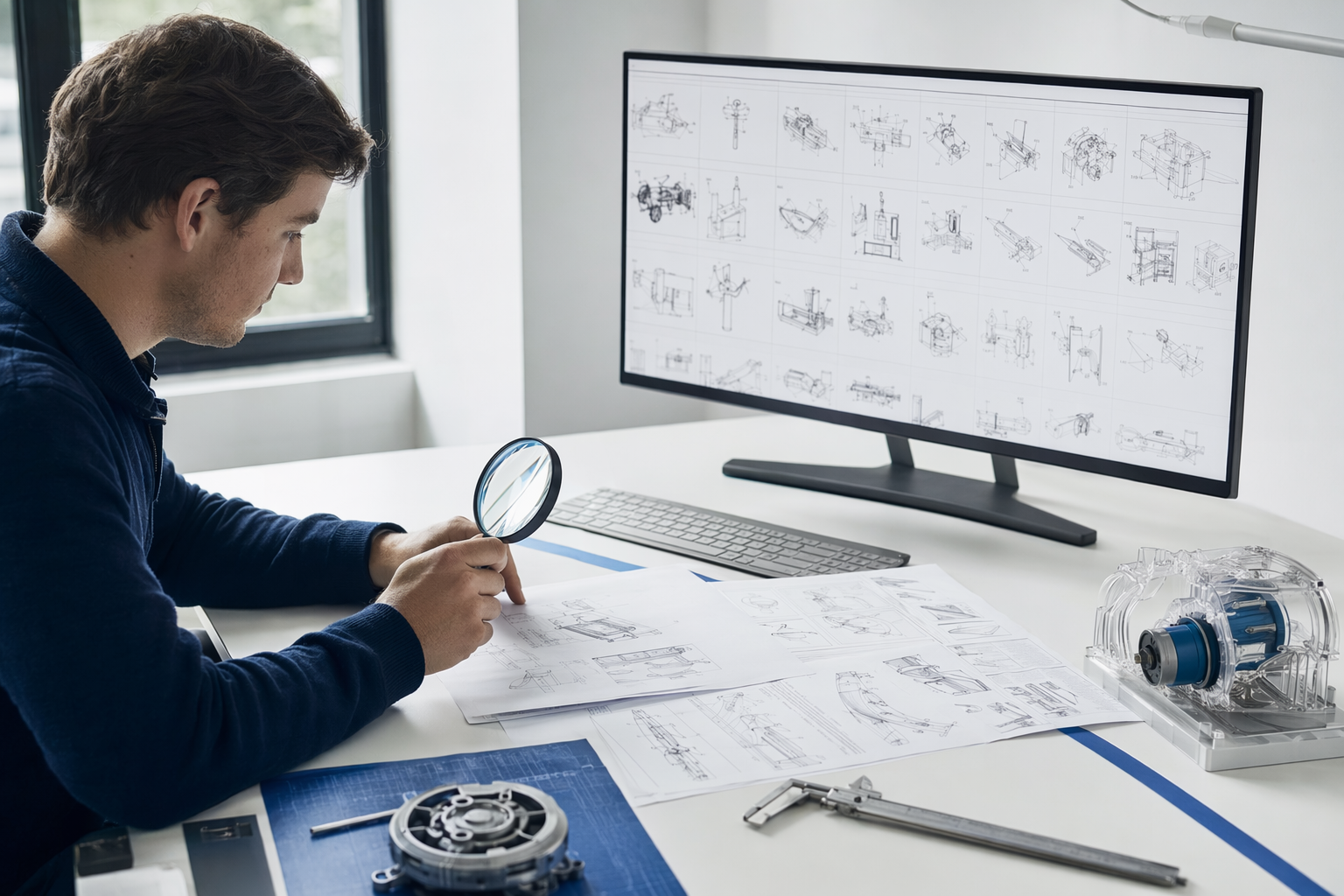
Start with the right goal for your search
A patent search is usually done to find “prior art.” Prior art means earlier public information that may affect whether your idea is patentable.
In the US, you may want to search for existing utility patents (cover inventions) and design patents (cover new, ornamental designs). If you’re thinking about a process, product, or machine, you’ll usually focus on utility patents.
If you’re not sure where to begin, start broad. Later, narrow your search to the specific features that matter most to your product or method. This helps you see how others describe similar ideas.
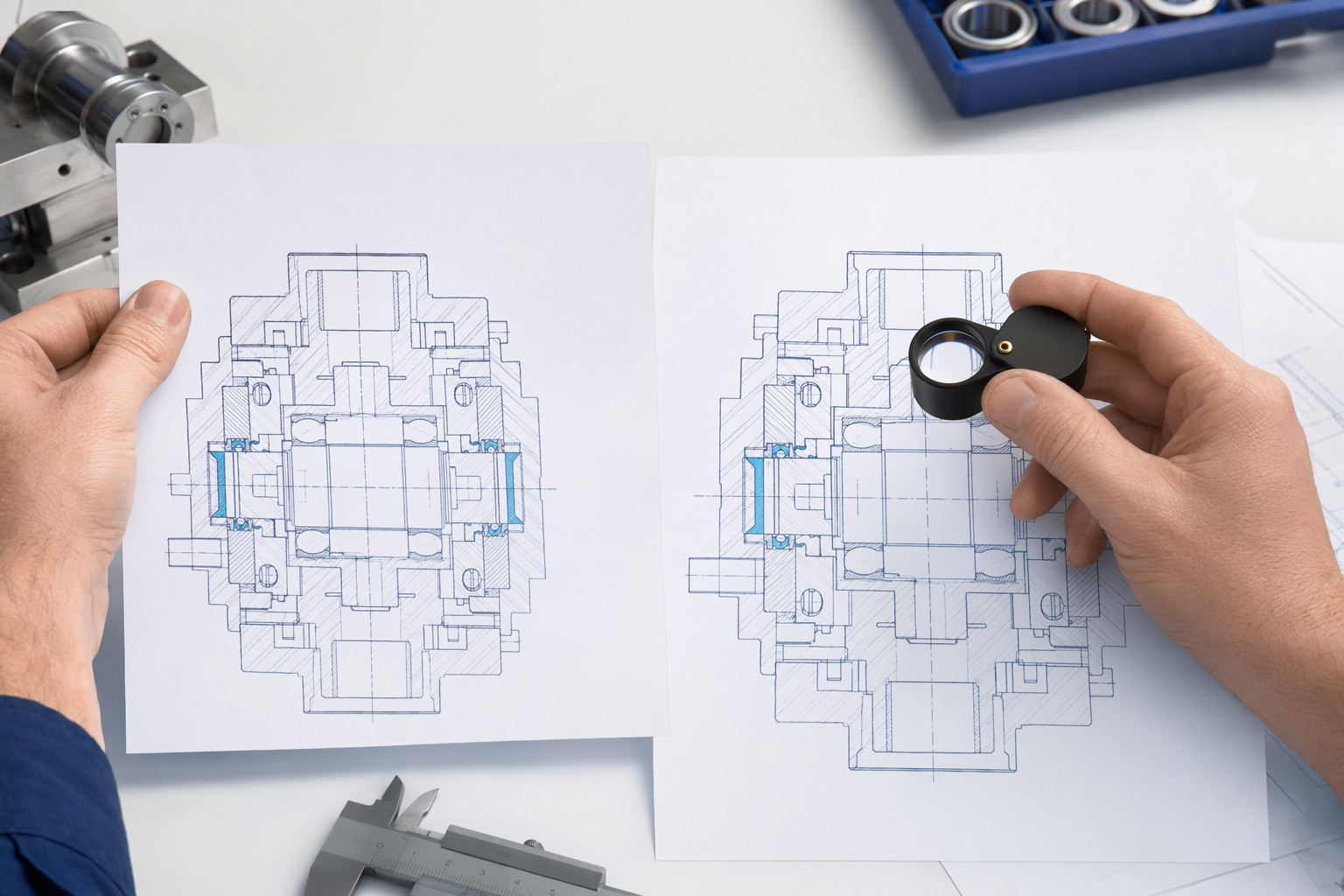
Use USPTO resources first (free and official)
The US Patent and Trademark Office (USPTO) is the main government source for US patent records. Begin with the USPTO’s Patent Public Search tools on USPTO.gov.
Look for records that are close to your topic, such as similar products, methods, materials, or system features. Also check for patent documents that might be related—sometimes the “closest” prior art appears in different words than you expected.
Because patent language can be technical and inconsistent, search using multiple approaches: keywords, inventor or assignee names, and classification codes.
Search by keywords, then by classification (what people often miss)
Keyword searching means using words that describe your invention. Try synonyms and common variations. For example, a feature might be described as “connector,” “coupling,” or “interface,” even if your product uses one term.
Classification searching means using patent “classes” and “subclasses.” These are standardized categories used to organize patent documents. Even if two patents use different words, they may share similar classification codes.
A practical workflow is: (1) run keyword searches, (2) check the top results for repeating classification codes, and (3) run new searches using those codes. This often improves accuracy quickly.
Understand patent document basics so you interpret results correctly
When you find a patent document, look at the parts that describe the invention: the title, abstract, drawings, and claims. The “claims” are the numbered legal statements that define the protection the patent covers.
Don’t assume that a patent with a similar title is actually close. Read the independent claims (the broadest claims) and compare the key features. If a document only discusses background or a different concept, it may not be a strong prior art match.
Also note whether the document is a published application or an issued patent. In the US, patent applications are often published before they’re examined. Published applications can still count as prior art, depending on the situation.
Do a quick prior-art screening, then deepen the search
A good first pass is a screening search. Use broad keywords and 5–15 minutes of review per promising result. Save the most relevant documents and write short notes about why they seem close.
Next, deepen the search around what you found. Identify repeated technical terms, components, and problem/solution language used by others. Then search again using those terms.
If you’re planning to file a non-provisional patent application (the full application used to seek a patent), you typically want a cleaner picture of the landscape first. If you’re considering a provisional (a shorter filing that can establish a starting date for later applications), the search still matters, because later non-provisional claims must match what you disclose.
When and how to get help from a licensed IP professional
Searching can be time-consuming, and patent results can be hard to interpret—especially if you’re new to US terminology. If you find conflicting results or you’re unsure what’s actually close, consider getting help.
FiledClaim is a FREE service that helps you find and connect with a licensed patent attorney or registered patent agent, so you can discuss your search approach and next steps. We connect you with professionals who can help review your findings and explain how they may relate to your specific situation.
If you want guidance on where to begin, explore our patent search guide and see how we get matched with an appropriate licensed professional.
Search USPTO patent records using keywords and classification codes, then compare the closest documents—especially their claims—to understand potential prior art before you file.
Common questions
What does “prior art” mean in a patent search?
Prior art is earlier public information that can affect patentability. It can include published patents and patent applications, and other public disclosures, depending on the legal context.
Should I search only issued patents, or also published applications?
You should usually search both. In the US, patent applications are often published before a patent is granted, and published documents can still be relevant as prior art.
How do I know if a patent is actually “close” to my idea?
Focus on the claims—especially the independent claims—and compare the key features, not just the title. Look for repeated technical elements and limitations that overlap with your product or method.
Can I do a search without technical keywords?
Yes, but it may take more iterations. Start with high-level terms, then refine using classification codes from promising results and by reading abstracts and key technical phrases in the documents.
Is it a good idea to hire someone after I do my own search?
Many people do a basic search first, then use a licensed professional to review and interpret what matters. That can help you discuss next steps with more clarity. We help you find a licensed patent or IP professional through our [get-matched](/get-matched/) process.