Answers
What is a patent pending?
“Patent pending” means a patent application has been filed with the USPTO, the U.S. Patent and Trademark Office. It is a notice, not a grant of rights, and it does not mean a patent will be approved.
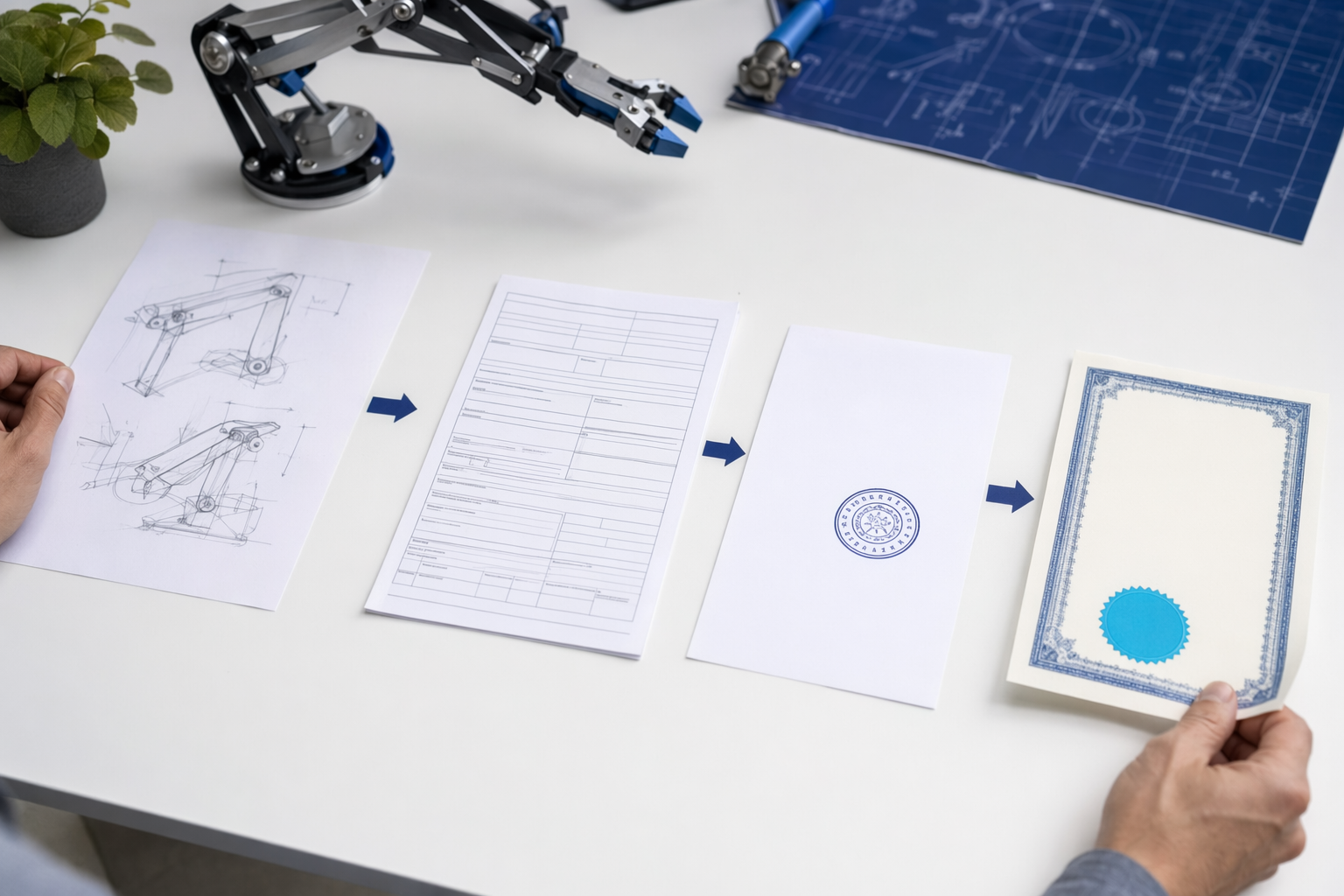
What “patent pending” means
“Patent pending” is a status you may use after filing a patent application. A patent is a government-granted right that can help stop others from making, using, selling, or importing the claimed invention for a limited time.
The word “claim” means the numbered sentences in a patent application or patent that define the exact legal scope of the invention. Until the USPTO reviews the application, “patent pending” only tells the public that an application is in process.
This phrase can be useful for business, marketing, and notice. But it does not itself create a patent, and it does not guarantee protection.
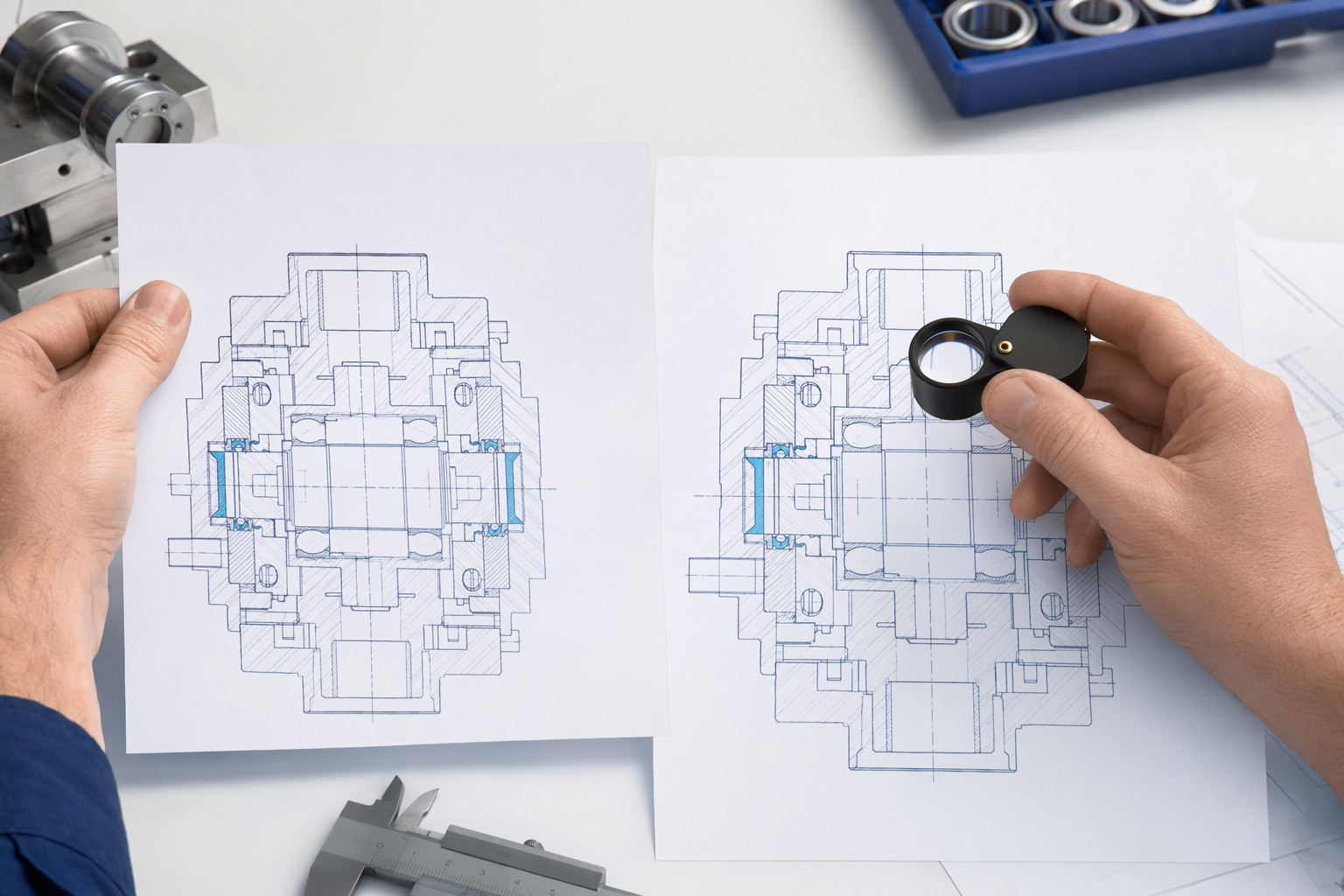
What it does and does not do
“Patent pending” may help show that an idea is in the patent process. It may also discourage copycats, because others can see that you have filed something with the USPTO.
It does not mean the USPTO has approved the invention. It does not mean your rights are final. And it does not prevent others from challenging the application or later patent.
If you want to understand the process better, see how patents work and our services for general educational help and a way to connect with a licensed patent attorney or registered patent agent.
When you can use the phrase
In general, you can use “patent pending” after a patent application has been filed and before it is granted or abandoned. A provisional application is a temporary filing that can establish an early priority date, which is the filing date the USPTO may use to help decide what counts as earlier disclosure.
A non-provisional application is the regular utility patent application the USPTO examines for a utility patent, which protects how an invention works. A design patent protects the ornamental look of a product, not its function.
The exact rules for marking and use can vary by case. A licensed patent professional can help you decide how to describe your status correctly.
Why the filing date matters
The filing date can matter because patent rights often depend on timing. Earlier filing can be important when the USPTO looks at prior art, which means earlier public information that may affect whether an invention is new and non-obvious.
If you have already discussed your invention in public, sold it, or shared it widely, timing may matter even more. That is why many inventors speak with a professional before disclosing details.
We help you find a licensed patent attorney or registered patent agent who can explain your options in plain English. We do not give legal advice, and we do not ask for secret invention details in any form.
Good next steps
If you are thinking about patent pending status, start with a short, non-confidential description of the invention and your contact details. A licensed professional can then tell you what filing path may fit your situation.
You can also check official resources at USPTO.gov for patent basics. For copyright questions, use Copyright.gov. For trademarks, ask a trademark attorney or review USPTO guidance.
If you want help getting connected, use Get Matched. FiledClaim is free for people using the service. Participating professionals pay a flat marketing fee.
Patent pending means you filed a patent application, but you do not yet have a patent and there is no guarantee one will be granted.
Common questions
Does “patent pending” mean I own the invention?
Not exactly. It means a patent application has been filed, but the USPTO has not yet decided whether to grant a patent. You may still need to prove ownership and meet other legal requirements.
Can I say patent pending before filing anything?
No. You should only use “patent pending” after a patent application has actually been filed. Using it too early can be misleading.
How long does patent pending last?
It usually lasts from the filing date until the application is granted, abandoned, or otherwise ends. The length varies by case and USPTO review time.
Should I tell a professional all the details of my invention?
No need at first. A short, non-confidential description is enough to start. You can share more details later with a licensed patent attorney or registered patent agent.