Answers
What is a design patent?
A design patent protects how something looks—not how it works. In the US, it can be a good fit when you want legal protection for the appearance of a product or part of a product.
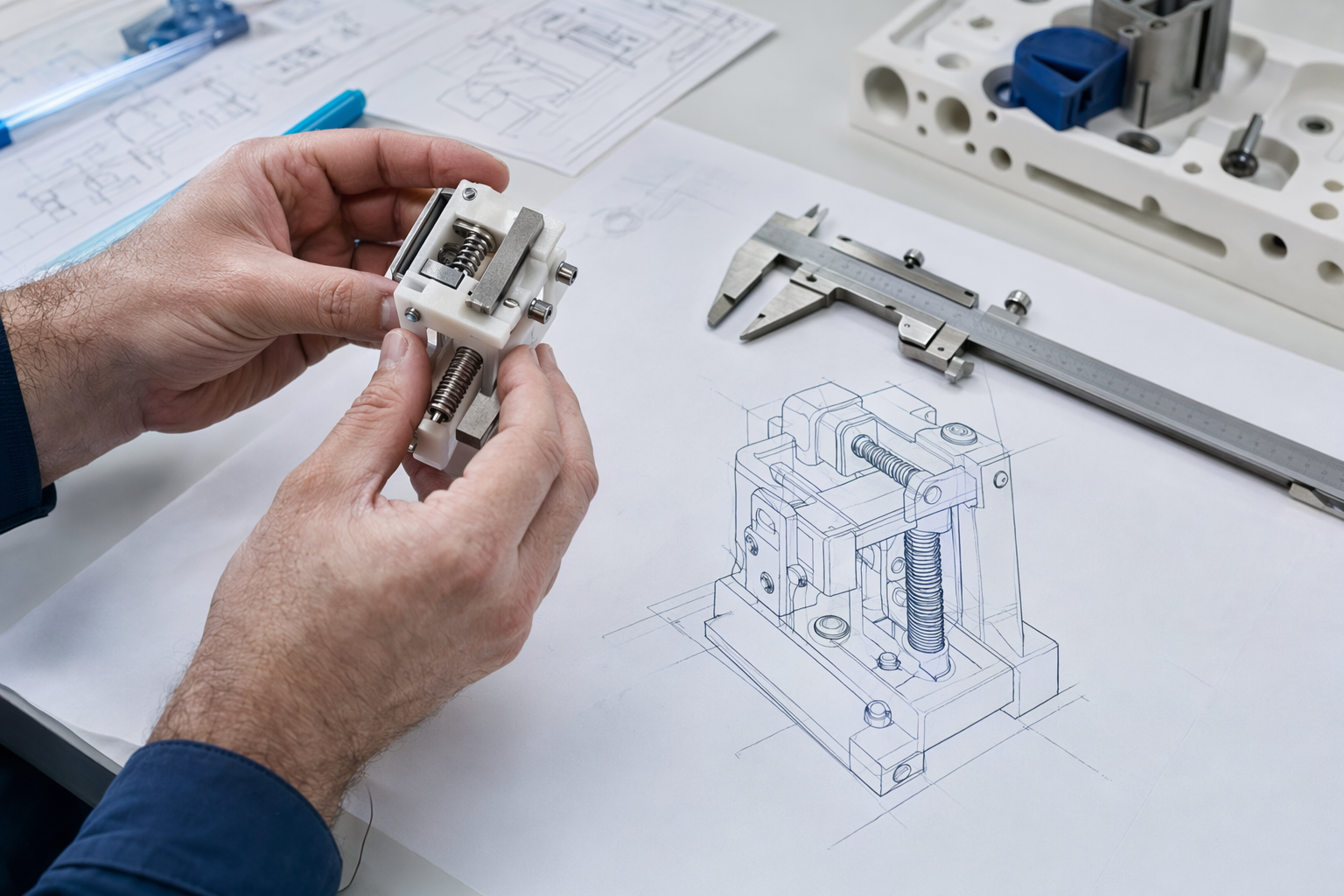
Design patent, explained in plain language
A design patent is a type of patent that protects the visual appearance of a manufactured item. This can include shape, surface ornamentation, pattern, and overall look.
Unlike a utility patent, which covers how an invention works or what it does, a design patent focuses on appearance. If your product’s value comes from its look, a design patent may be worth exploring.
A design patent is part of the US intellectual property (IP) system and is filed with the USPTO (United States Patent and Trademark Office).
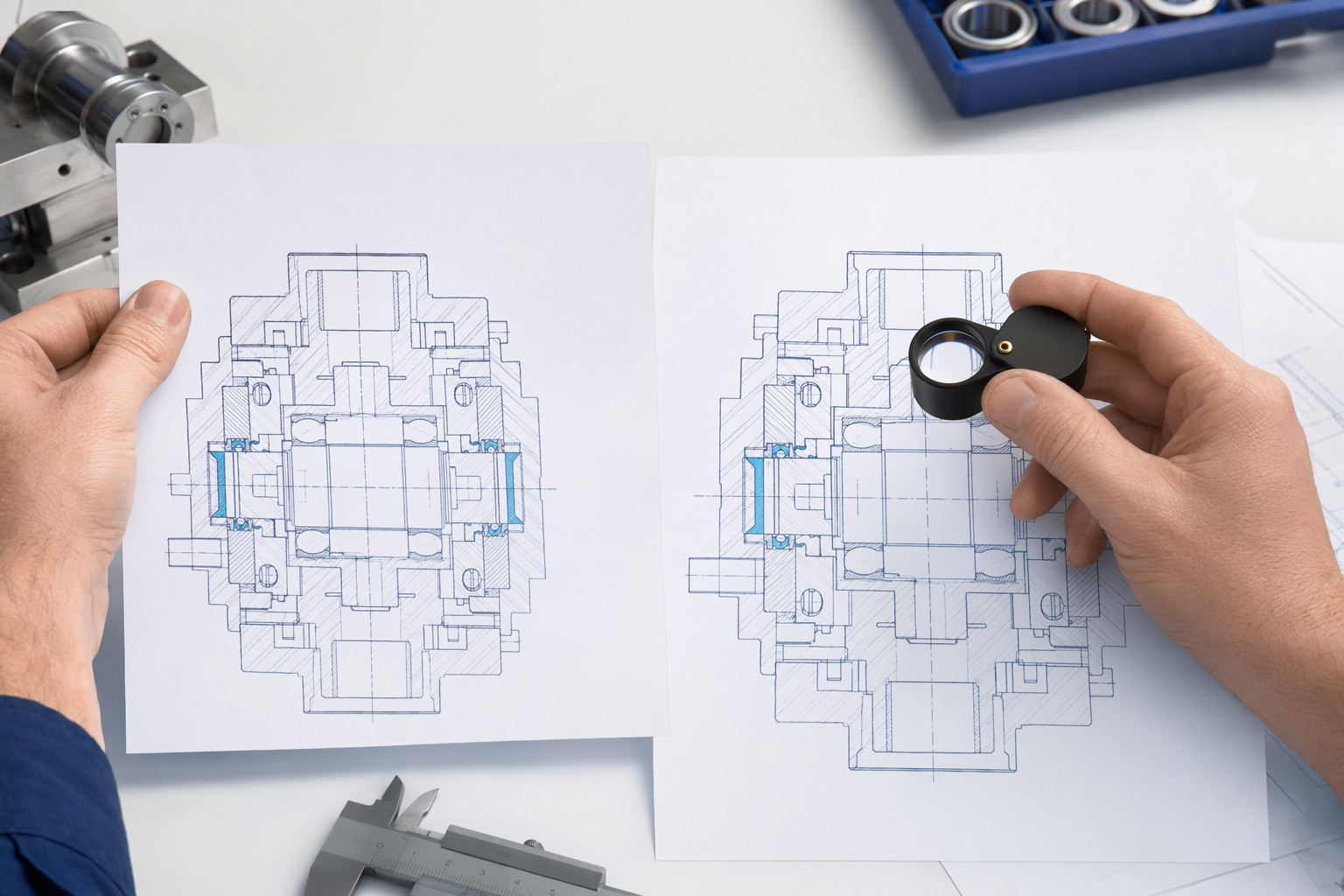
What a design patent can protect (and what it can’t)
Design patents generally protect a specific design as shown in your application drawings. The protection is tied to the way the item looks in those views.
A design patent usually does not protect functional features the way utility patents can. If the feature is mainly about performance, engineering, or how the product operates, you may need a different type of patent strategy.
Design protection also may be limited by how similar prior designs (called prior art, meaning earlier publicly available designs) are to yours.
Design patents vs. utility patents vs. trademarks
Here’s a quick way to tell them apart:
- A design patent protects product appearance (visual design).
- A utility patent protects how the invention works (function/process/structure).
- A trademark protects brand identifiers like logos, brand names, or slogans used in commerce.
Some companies use all three types of IP. For example, a product’s shape might be protected with a design patent, while the brand could be protected with a trademark.
What you file: drawings are the center of the application
For a design patent, your application is heavily based on drawings. In many cases, the drawings are where the USPTO determines what the claimed design looks like.
A typical design patent application includes multiple views (such as front, back, side, top, and perspective views). You may also see the use of broken lines to indicate portions that are not claimed, depending on the situation.
Because the drawings matter so much, details like angles, shading, and which parts are emphasized can affect how the design is interpreted. A licensed patent professional can help you think through the best way to present the design drawings.
Key timing ideas: public disclosure and the “prior art” problem
Before filing, it’s important to consider whether your design (or similar designs) has been publicly shown. Public disclosure can create prior art—earlier information that may make it harder to obtain a patent.
In the US, timing rules can be complex and can depend on facts like when and how something became public. Because of that, it’s smart to discuss your situation with a licensed professional as early as possible.
If you’re not sure where you stand, start by gathering a simple history: when you first created the design, when it was shown, and where it was posted or sold. Keep it factual—no need for confidential details beyond what’s necessary for an initial conversation.
How we can help you get matched with a licensed IP professional
FiledClaim is a FREE service that helps people in the US—especially inventors and small businesses—understand US IP basics and get connected with a licensed professional.
If you’re considering a design patent, we can help you find a licensed patent attorney or registered patent agent who can explain options based on your facts (including whether a design patent, utility patent, or another approach fits better). This is educational support; it’s not legal advice.
To get started, visit our services page and use our get-matched flow. You can also browse our guides for plain-language explanations of common IP steps.
A design patent protects how a product looks in the US, and it relies heavily on clear drawings that match your design.
Common questions
Do I need a design patent if my product is “new” but only the look changed?
A design patent may be a fit when the novelty is mainly in how the product looks, not how it works. If the change is functional, a utility patent may be more appropriate. A licensed professional can help you compare options.
Can I protect a logo with a design patent?
A logo is usually handled by trademark law, not design patents. Design patents typically protect the visual design of a product or item, while trademarks protect brand identifiers used in commerce.
What are “prior art” and why do they matter for design patents?
Prior art is earlier publicly available information that can be used to show your design is not sufficiently new. If similar designs were shown, sold, published, or otherwise made public before you file, it can affect patent eligibility.
How important are drawings in a design patent application?
Drawings are extremely important because they show the exact design being claimed. Clean, accurate drawings help ensure the USPTO understands what appearance is being protected.
Does filing a design patent guarantee it will be granted?
No. Patent outcomes depend on examination, prior art, and how the application is presented. Avoid anyone who guarantees a result—only a licensed professional can evaluate your specific situation.