Guides
How to File a Patent Application
Filing a US patent application is a legal process with several steps, and the details matter. This page explains the basics in plain language and shows where a licensed patent professional can help.
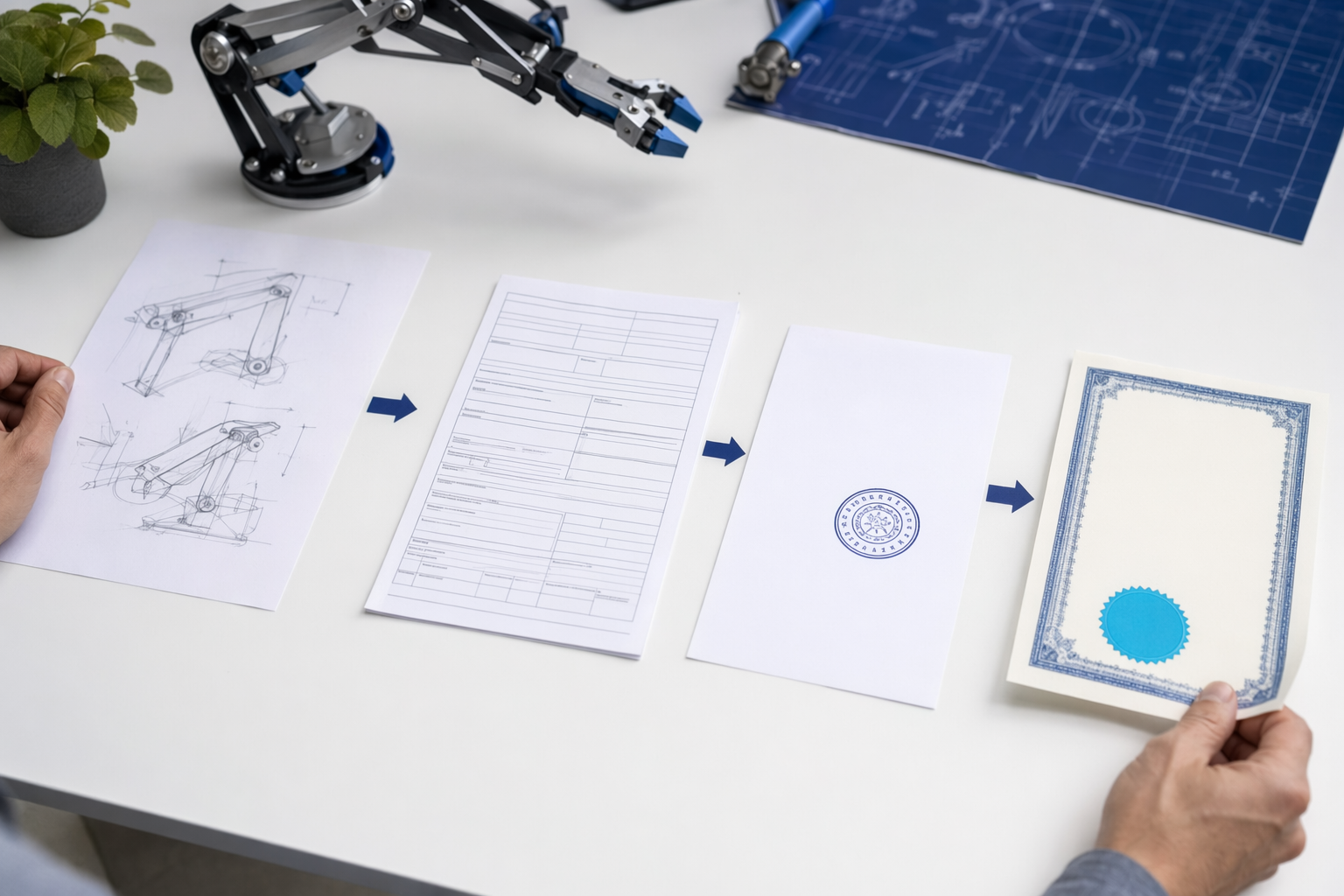
What a patent application is
A patent is a government grant that can give the owner the right to stop others from making, using, selling, or importing an invention for a limited time. A patent application is the formal request you file with the US Patent and Trademark Office, or USPTO.
A patent application usually includes a written description, drawings when needed, and one or more claims. A claim is the legal sentence that defines the exact invention you want protected. The wording of the claims is often one of the most important parts of the filing.
There are different kinds of patents. A utility patent covers how an invention works or is used. A design patent covers how an item looks. A licensed patent attorney or registered patent agent can help you decide which type may fit your situation.

Before you file: do a basic check
Before filing, many inventors start with a prior art search. Prior art means public information that came before your filing date and may affect whether an invention is new and patentable. Prior art can include earlier patents, published applications, articles, websites, product pages, videos, and public sales.
A search can help you understand what is already public, but it does not guarantee a result. A strong search can reduce surprises later, but it cannot replace a legal review of patentability.
You should also think about your priority date. A priority date is the date the USPTO treats as the start point for certain patent rights. In many cases, filing earlier can matter. That is one reason people often speak with a licensed professional before they share the invention widely.
Prepare the application
A US patent application is usually not just a form. It is a set of legal and technical documents. For a utility patent, this often includes a specification, claims, abstract, drawings, and an oath or declaration. The specification is the written explanation of the invention. It should describe how the invention works in enough detail for others to understand it.
For a design patent, the drawings are especially important because they show the look of the design. The written parts are different from a utility patent. Choosing the right filing type matters.
If you are new to the US system, keep your invention summary short and non-confidential when you first contact us. We help you find a licensed patent attorney or registered patent agent who can talk with you about next steps and flat-fee options.
File with the USPTO
Most people file electronically through the USPTO. The filing packet and fees depend on the application type, your business size, and the filing route. The USPTO sets its own forms, rules, and fee schedule, and those rules can change.
Common filing choices include a provisional patent application and a non-provisional patent application. A provisional application can establish an early filing date, but it does not become an issued patent by itself. A non-provisional application is the regular application the USPTO examines. A licensed professional can explain which route fits your facts.
If you are filing from outside the US or you are new to US paperwork, it can help to have someone review the documents before submission. A small mistake can slow the process or create avoidable problems later.
What happens after filing
After filing, the USPTO assigns a filing date and application number. Later, an examiner reviews the application. An examiner is a USPTO employee who checks whether the application meets the patent rules.
You may receive an office action. An office action is a written notice from the USPTO that raises questions, objections, or rejections. It is common to get at least one office action. It does not mean the process is over. A licensed patent attorney or registered patent agent can help explain the notice and prepare a response.
Patent cases are fact-specific. No one can honestly promise that a patent will be granted. The law changes, and the outcome depends on the invention, the prior art, and the application itself.
How FiledClaim can help
FiledClaim is a free service that helps you find a licensed patent attorney, registered patent agent, or other IP professional who can work with you on a flat-fee basis. We are not a law firm, and we do not give legal advice.
We make it easier to start by collecting your contact details and a short, non-confidential description of what you need help with. Do not send secret invention details in a form. A professional can tell you what to share safely during a consultation.
If you want to learn more first, see our service overview, how it works, or more guides.
Filing a patent application means preparing the right documents, checking what is already public, and submitting to the USPTO, often with help from a licensed patent professional.
Common questions
Do I need a lawyer to file a patent application?
No one is required in every case to hire a lawyer, but patent filing is technical and legal work. Many inventors choose a licensed patent attorney or registered patent agent to help prepare and file the application.
What is the difference between a provisional and non-provisional patent application?
A provisional application can help establish an early filing date, but it does not become a patent on its own. A non-provisional application is the main application the USPTO examines.
What is prior art?
Prior art is any public information that existed before your filing date and may relate to your invention. It can include earlier patents, publications, websites, products, and public uses.
Can anyone promise that my patent will be approved?
No. A patent outcome depends on the facts, the prior art, and the USPTO review. Be cautious of anyone who guarantees a result.