Free downloads
Patent Readiness Checklist
Use this free Patent Readiness Checklist to organize your invention and avoid common mistakes before you talk to a licensed patent professional. It’s educational—not legal advice.
Before you start: what this checklist helps with
A patent application is a formal request to the US Patent and Trademark Office (USPTO) for legal protection for an invention. To prepare well, you’ll often need clear documentation, a careful description of how it works, and a plan for searching similar products and publications.
This checklist is designed to help you get organized before you contact a licensed patent attorney or a registered patent agent. We can help you find and connect with a qualified professional through get-matched if you want guidance after you review this tool.
Important: this is general information. Patent outcomes depend on many facts, and laws can change.
Step 1 — Identify what kind of patent you may need
In the US, most people start with one of two broad categories: a utility patent or a design patent.
A utility patent protects how something is used and works (its function). A design patent protects the way something looks (its ornamental design). Your invention might involve both function and appearance, but they are filed in different ways.
Before you talk to a professional, write down which category seems closest: does your value mainly come from how it operates, or from how it looks? If you’re unsure, that’s normal—your notes can still help a professional triage next steps.
Step 2 — Document the invention without giving away trade secrets in advance
Make a short invention file. Keep dates. Save what you already have (sketches, photos, lab notebooks, draft descriptions). If you created software, store the version number and what changed.
To protect yourself, avoid oversharing confidential details in public posts or with strangers. When you’re ready to discuss your idea with a professional, share only what’s necessary for evaluation.
During this step, do not ask anyone for your Social Security number (SSN), ITIN, or financial account information. A legitimate professional can help with your patent questions without those.
Step 3 — Capture a clear description of the invention
A patent application relies on clear written descriptions of the invention. Start by writing a plain-language explanation that a non-expert can understand.
Include: what the invention is, what problem it solves, the main parts or steps, and how they interact. Add any variations you already know about (for example: different sizes, optional features, or alternative materials).
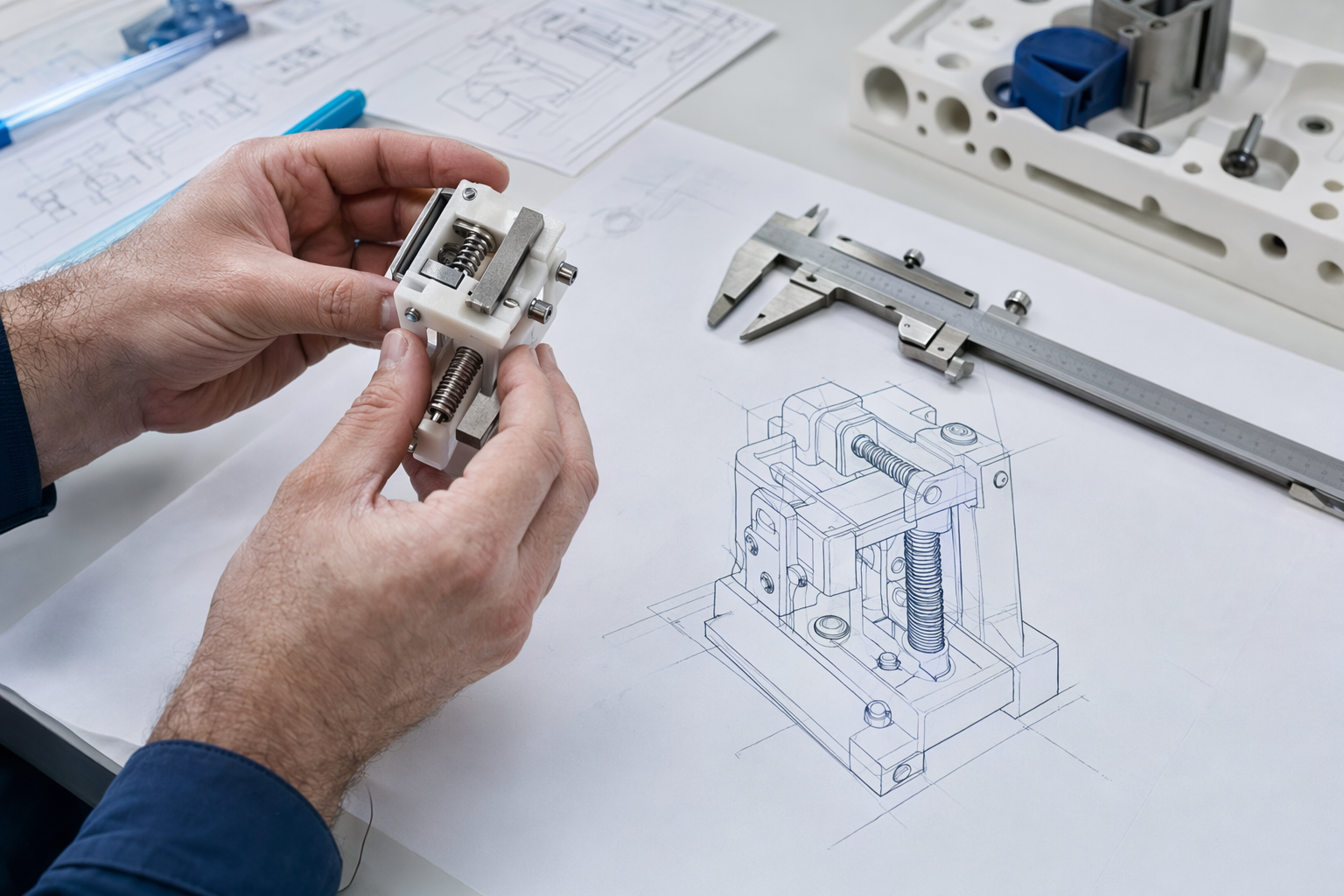
If you have drawings, label them and briefly explain what each figure shows. If you have prototypes, describe what worked, what didn’t, and what you changed. These notes can help when someone later drafts a formal patent application.
Step 4 — Create a “timeline” and ownership record
A patent filing can depend on timing. Create a simple timeline of key events, including when you first conceived the idea, when you built a prototype, and when you first disclosed it publicly or commercially.
Also document who created each part. If multiple people contributed, list their roles and when they contributed. This is not about being perfect—it’s about giving a professional enough context to evaluate inventorship and next steps.
If you already licensed or assigned rights to someone else, note that too. Ownership and rights can affect what options are available.
Step 5 — Do a basic prior art check (and know what “prior art” means)
In patent terms, prior art means earlier information that already existed before your relevant date. This can include earlier patents, published applications, academic papers, product listings, and other public disclosures.
You don’t need to become an expert. But you should look for close similarities so you can ask better questions. Search for the main components and alternate names. Check product pages, app stores, and manuals. Also consider searching issued patents and published applications through USPTO resources.
Be careful: a “not found” result doesn’t guarantee novelty. A licensed professional can perform deeper searching and analysis when you’re ready. If you want more tools, see tools for related educational resources.
Step 6 — Avoid common first mistakes
Before you file anything, avoid actions that can harm your options. Common pitfalls include:
- Publicly disclosing your invention (for example, posting detailed videos or descriptions) before you’re ready, without understanding the impact on patent rights.
- Filing the wrong kind of application for the protection you actually want.
- Relying on vague sketches or hand-waving descriptions when a formal written disclosure will be required.
If you already shared the idea publicly, don’t panic. The timeline matters. Bring your dates to a professional so they can explain what options may still exist in your situation.
For the best next step, you can review the checklist first, then use services to learn how FiledClaim helps people get connected with a licensed patent or IP professional.
Step 7 — Gather questions for your first professional conversation
When you meet a licensed patent attorney or registered patent agent, you’ll get the most value by showing organized notes and clear questions. Prepare a short list such as:
- Is a utility patent, design patent, or both likely relevant?
- What would a basic prior art search focus on?
- What information is needed for a first draft of a patent specification (the detailed written description)?
- What filing path might fit my situation (for example, provisional vs. non-provisional)?
A provisional application is a US filing that can establish an early filing date for later filings; it is not examined in the same way as a non-provisional application. A non-provisional application is the standard application that can be examined by the USPTO. Details vary by case, so let a professional explain what fits your facts.
Also ask about realistic timing and how they will communicate. Avoid anyone who guarantees a result—patent decisions are not guaranteed.
This free checklist helps you document your invention, understand key patent basics like prior art, and avoid common mistakes before you speak with a licensed patent professional.
Common questions
Do I need to have a fully working prototype before I talk to a patent professional?
Not always. Many people start with early prototypes, drawings, or functional descriptions. A professional can often evaluate the invention based on how it works and what is described, though the quality of your documentation matters.
What should I avoid doing before I share my idea with anyone?
Avoid public disclosure of detailed information if you haven’t considered timing and patent strategy. Also avoid sharing sensitive personal or financial information. If you plan to discuss your invention, share only what’s necessary for evaluation.
What’s the difference between a patent and a trademark or copyright?
A patent protects an invention’s function (utility) or appearance (design). A trademark protects brand identifiers like names or logos used in commerce. A copyright protects original creative works like text, music, or artwork. These are different legal rights with different filing processes.
What does it mean when people say “prior art”?
Prior art is earlier public information that existed before your relevant date. It can include patents, published applications, publications, and other disclosures. Prior art is used to assess whether the invention is new enough to be patentable.
Can this checklist guarantee that I’ll get a patent?
No. A checklist can help you prepare and avoid common mistakes, but patent outcomes depend on the facts of your invention and the USPTO’s examination. Be cautious of anyone who promises guarantees.