How we've helped
A first-time inventor files a provisional in time
This story follows a first-time inventor who filed a provisional patent application before a trade show, then worked with a licensed patent professional to prepare the full application. It shares what helped—and what to watch for.
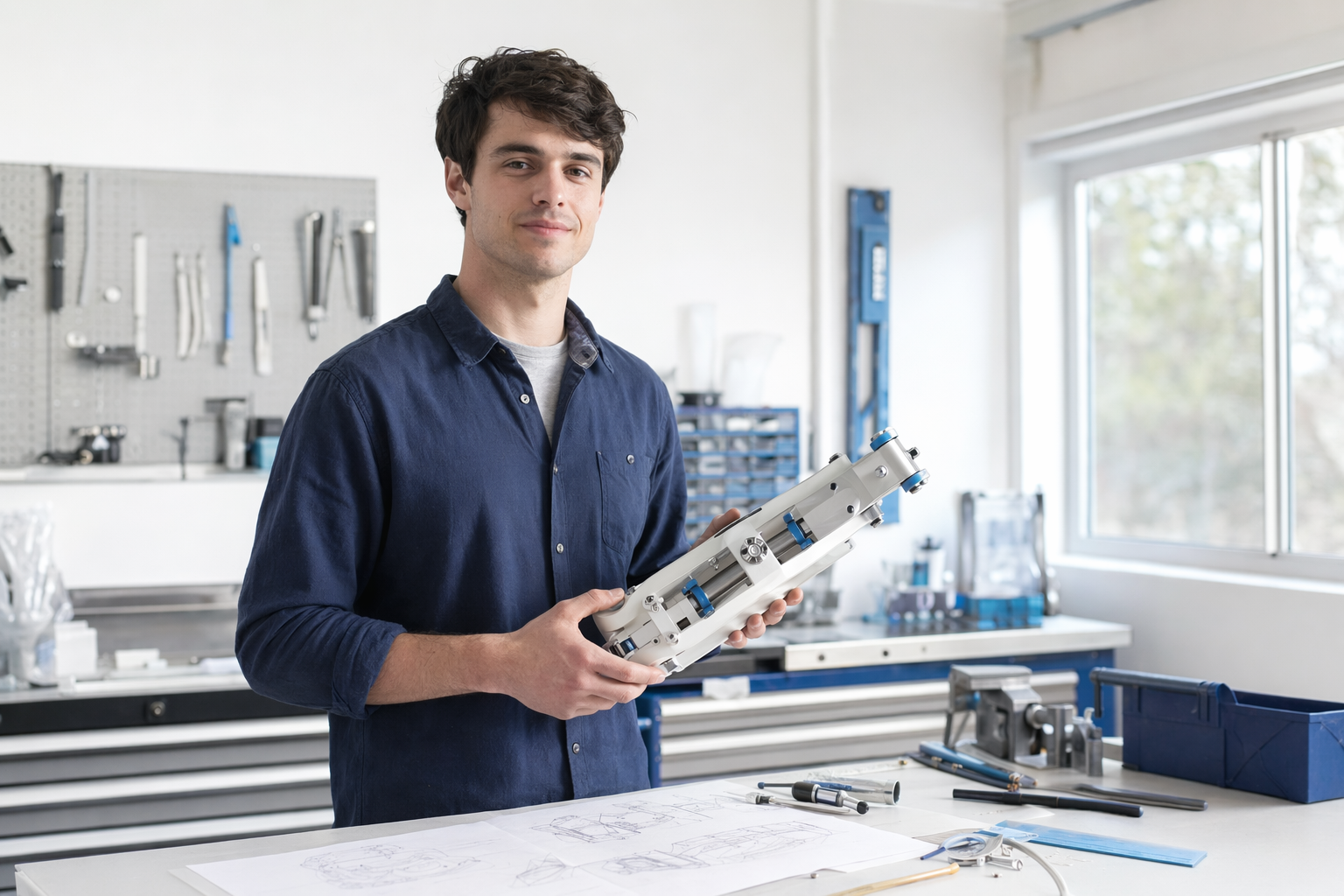
The moment before the trade show
Ravi was building a small device for a niche industry. He had a working prototype, photos, and notes—but he’d never filed anything with the USPTO (the U.S. Patent and Trademark Office) before.
In the weeks leading up to a trade show, he kept hearing the same concern: if he publicly shows or sells something too early, it could affect whether he can later get patent rights.
Ravi didn’t want to “guess.” He wanted a cautious next step that would give him a documented timeline while he planned the full patent filing.

Choosing a provisional application to hold a date
Ravi learned about a provisional patent application. A provisional is a “placeholder” application filed with the USPTO that can establish an early filing date for later claiming. It is not a complete patent application and it doesn’t itself become a granted patent.
The key idea was timing. Ravi filed the provisional before the trade show so he could say, “I filed by this date,” which can help establish a starting point—depending on what’s later included in the full filing.
He prepared a non-confidential summary for initial guidance and focused on getting the basics documented (like how the invention is made and used) rather than trying to share every technical detail everywhere.
What to know about provisional timing (in plain terms)
A provisional can be used to support priority when you later file a non-provisional application. A non-provisional is the formal application that can lead to examination by the USPTO.
In Ravi’s case, the trade show created a deadline. After filing the provisional, he worked toward the next step: preparing the non-provisional application within the provisional’s time window.
He also learned a practical rule: provisional filings often need careful matching. The non-provisional typically needs to include the features described in the provisional in enough detail to support the same claims. That’s one reason many inventors involve a licensed patent professional when moving from provisional to full drafting.
Finding a licensed professional to draft the full application
Ravi wanted help for the non-provisional drafting and strategy. He knew he didn’t want legal advice from an unqualified source, and he didn’t want anyone to overpromise.
Using FiledClaim, he could get matched with a licensed patent or IP professional. The goal was straightforward: connect with someone authorized to work on U.S. patent work so he could review his provisional materials, understand claim scope, and draft the non-provisional application correctly.
He asked general process questions first—how they structure the application, how they handle claim language, and how they review prior art (prior art means earlier public information that can affect patentability). He kept the conversation focused on non-confidential project details and documentation rather than sharing sensitive information through unsafe channels.
How the full application process felt
For Ravi, the work moved from “documenting” to “claiming.” Patent claims are the specific statements that define the invention’s legal boundaries.
His patent professional helped him translate his prototype and drawings into clear claim language and supporting sections. They also discussed likely prior art categories to reduce surprises later in examination.
After the non-provisional was filed, Ravi learned what happens next: the USPTO may issue office actions. An office action is an official letter from the USPTO that can raise issues and request changes or arguments. Ravi understood that responding can be part of the process, and outcomes depend on case facts and the law.
What he’d do differently next time
Ravi didn’t view the provisional as “done forever.” Instead, he treated it like the first step of a longer record-building plan.
In hindsight, he wished he had started organizing from day one: versioned drawings, a consistent set of descriptions, and a timeline of public disclosures. That made it easier for a licensed professional to draft the non-provisional and align the content with what was already filed.
If you’re a first-time inventor, the biggest takeaway is to act early, document carefully, and get help for the drafting stage that matters most for your claims. You can explore more on services or read other experiences in stories.
A first-time inventor filed a provisional before a trade show to document timing, then worked with a licensed patent professional to draft the full non-provisional application with clear claim language.
Common questions
Is a provisional application a real patent?
A provisional patent application is not a granted patent. It can help establish an early filing date, and it can be used as a basis for filing a non-provisional application later.
Why do timing issues matter before a trade show?
Public disclosures—like showing the invention at an event—can affect patent options depending on the timing and the facts of the case. Filing a provisional before a disclosure is one way some inventors manage timing risk.
What’s the difference between a provisional and a non-provisional application?
A provisional is a placeholder filing that generally cannot be examined by the USPTO. A non-provisional is the formal application that undergoes examination, and it includes the claim structure used to define the invention.
Can my provisional be used for claims in the full application?
Often, yes—if the non-provisional filing includes enough of the same subject matter described in the provisional. A licensed patent professional can help you check how well the content lines up with the claims.
How does prior art affect patentability?
Prior art means earlier public information (such as published documents or certain disclosures) that can be used to challenge whether an invention meets patentability requirements. It’s one reason many inventors do prior art review with a licensed professional.
How do I choose a licensed patent professional?
Look for someone authorized to practice before the USPTO for the type of work you need, and ask about their process for drafting claims, reviewing disclosures, and handling office actions. Avoid anyone who promises guaranteed outcomes.