Answers
What is a utility patent?
A utility patent protects how an invention works, how it is used, or how it is made. It is the most common type of patent in the US, but it does not guarantee protection or approval.
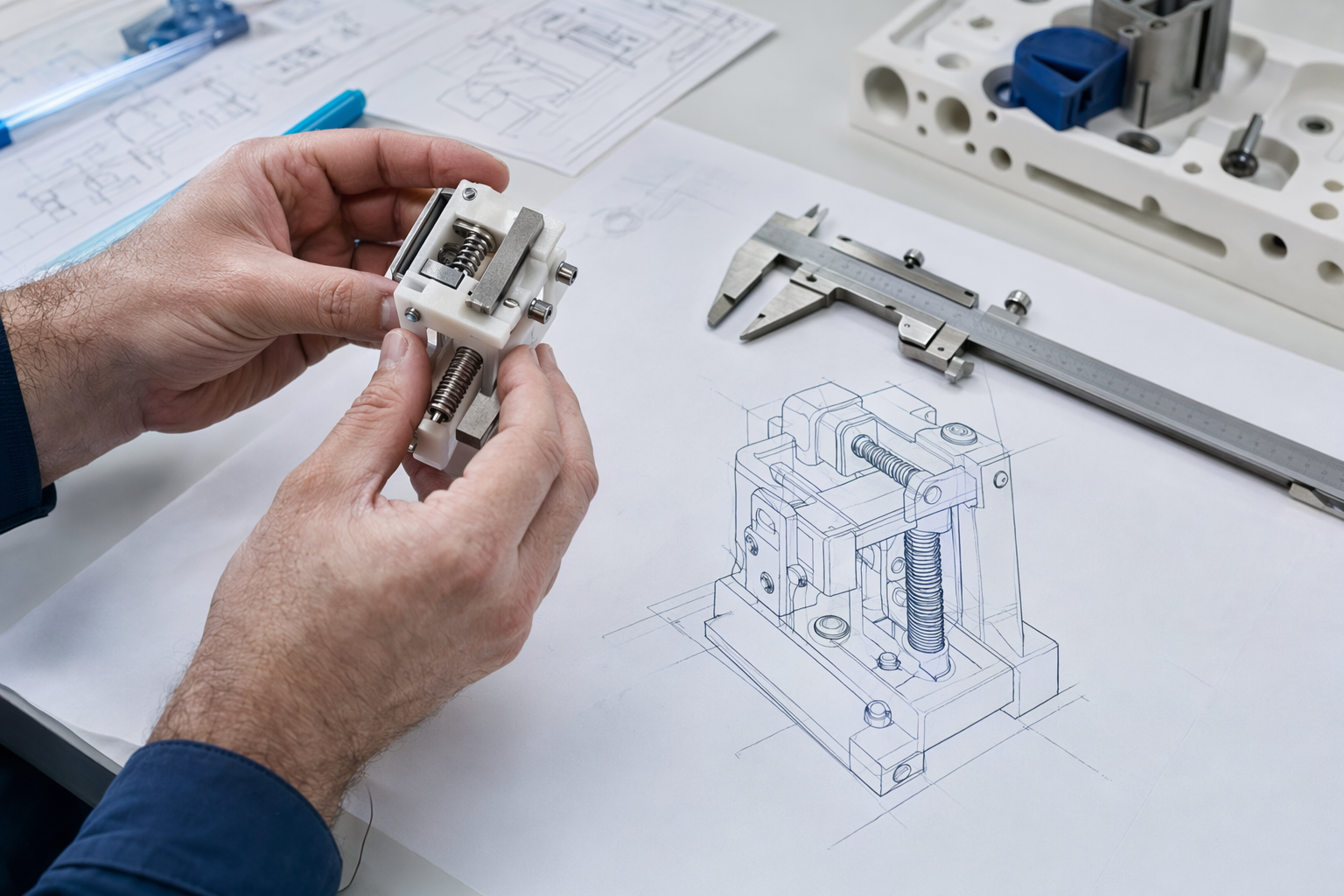
Utility patent, in plain English
A utility patent is a government-granted right that can help stop others from making, using, selling, or importing an invention as claimed in the patent. A "claim" is the legal sentence or sentences that define the exact boundaries of what the patent covers.
Utility patents are used for functional inventions. That can include a new machine, a process, a chemical formula, a manufactured product, or an improvement to an existing product. The US Patent and Trademark Office, or USPTO, reviews patent applications.
A utility patent is different from a design patent. A design patent protects how something looks, while a utility patent protects how it works. If you are not sure which one fits your idea, a licensed patent attorney or registered patent agent can help you compare the options.
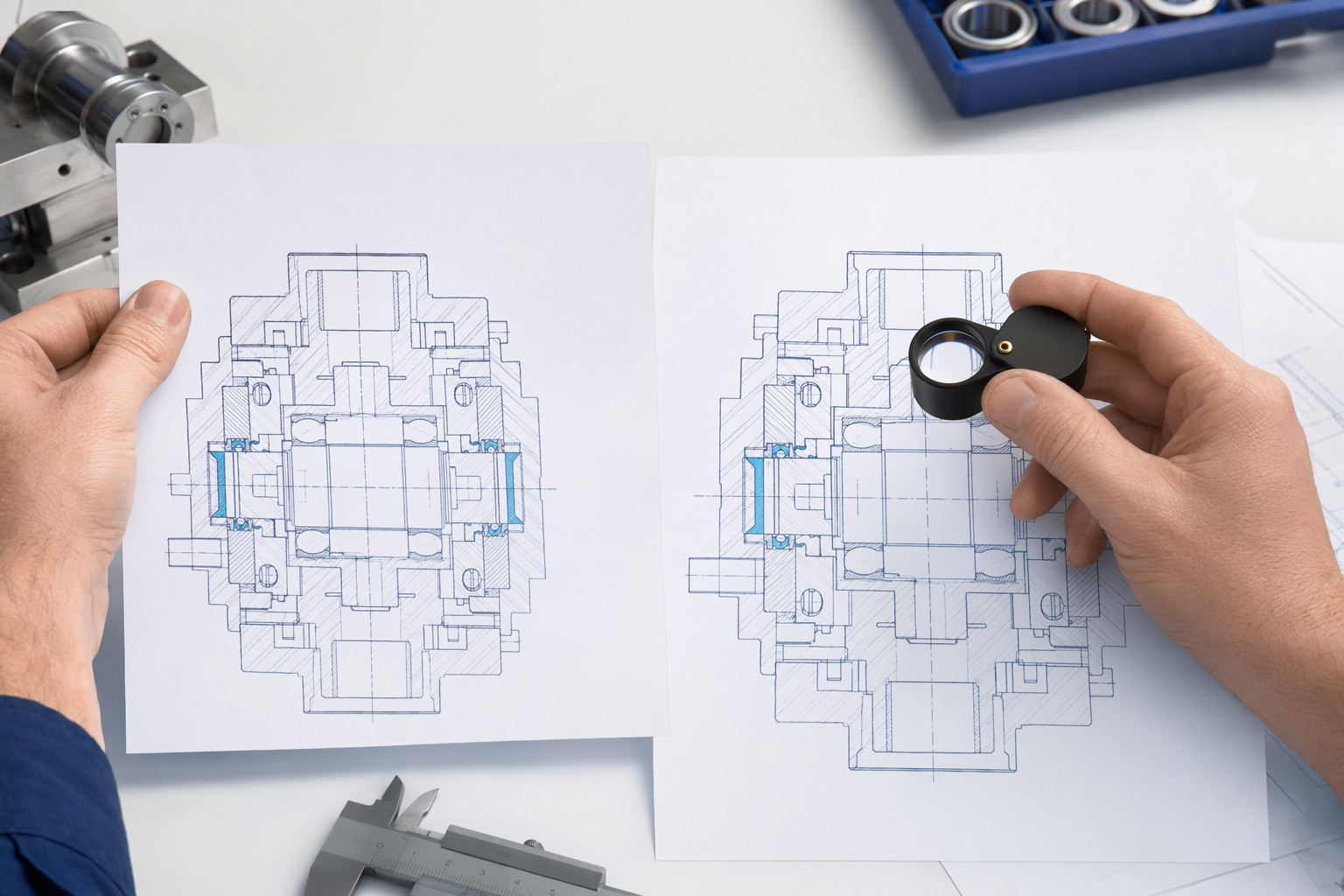
What a utility patent can cover
In general, a utility patent may cover the useful features of an invention. That can include technical steps, parts, functions, methods, or a new way a product performs. It may also cover improvements to an existing product, as long as the invention meets the legal requirements.
One important requirement is novelty. "Prior art" means information that was already public before your filing date, such as published articles, public products, patents, websites, or sales. If prior art shows the same idea, it can affect a patent application.
Another important term is the priority date. That is the date the USPTO uses to help decide what counts as earlier public information. In many cases, filing sooner can matter, but the right filing strategy depends on the facts of the case.
What utility patents do not do
A utility patent does not protect every version of an idea. It only covers what is described and claimed in the application. If a competitor changes the design or the method in a meaningful way, the result may be different under the law.
A utility patent also does not mean the invention is automatically valuable, market-ready, or free from all disputes. It is one part of a larger business and legal strategy. You may also need to think about trademarks for brand names, copyrights for original writing or artwork, and contracts or trade secret protection for confidential business information.
For general government guidance, you can review official information at [USPTO.gov](https://www.uspto.gov/). For copyright questions, see [Copyright.gov](https://copyright.gov/).
How the patent process usually starts
Many inventors begin by writing a short, non-confidential summary of the invention and speaking with a licensed patent professional. You do not need to share secret details in a web form. It is safer to share only basic contact information and a brief description that does not expose confidential information.
A patent professional may help you understand whether a provisional patent application, a non-provisional patent application, or another filing strategy makes sense. A "provisional" application is a temporary filing that can help establish an early filing date if followed by a proper non-provisional filing later. A "non-provisional" application is the regular utility patent application that is examined by the USPTO.
FiledClaim is a free service. We help you find a licensed patent attorney or registered patent agent for an initial conversation. Participating professionals pay a flat marketing fee to be listed, and fees for legal work are set directly with the professional.
When it makes sense to get help
Patent rules are technical, and small wording differences can matter. A licensed patent attorney or registered patent agent can explain what the law requires, help draft claims, and help respond to office actions. An "office action" is a written message from the USPTO saying there are questions, objections, or rejections that need a response.
It is also normal to get help if you are a founder, small business owner, inventor, or new immigrant learning the US system. The process can feel formal and unfamiliar. Clear guidance can save time and reduce mistakes.
If you want help finding a professional, you can start at services or get matched. If you want to learn more first, see our guides.
A simple example
If you invent a new type of water filter that uses a different internal structure to clean water more effectively, a utility patent may be the right kind of patent to explore. The protection would focus on the working features, not just the look of the filter.
If someone else copies the product but changes the housing shape while using the same functional idea, the patent claims would matter. That is why claims are so important and why careful drafting matters.
No one can promise that an application will be granted. A licensed patent professional can help you understand your options and the risks before you file.
A utility patent protects the useful part of an invention, but it only works if the patent is properly filed, examined, and allowed under US law.
Common questions
What is the difference between a utility patent and a design patent?
A utility patent protects how an invention works or is used. A design patent protects how it looks, such as its shape, surface pattern, or ornamentation.
What does a utility patent application include?
It usually includes a written description, drawings when needed, and claims that define the invention. A patent professional can help you prepare a filing that matches your facts and goals.
Can I file a patent without telling anyone my secret idea?
You should avoid sharing secret details in an open form. It is better to share only a brief, non-confidential description and basic contact information until you speak with a licensed patent professional.
Does a utility patent guarantee I can stop copycats?
No. A patent does not guarantee a specific outcome, and every case depends on the facts and the law. If you believe someone copied your invention, a licensed patent attorney can explain the options.