Answers
What is a provisional patent?
A provisional patent is a US filing that can help you “stake a date” for your invention while you prepare a longer, non-provisional application. It’s often used by inventors and small businesses to buy time—without a full patent exam at first.
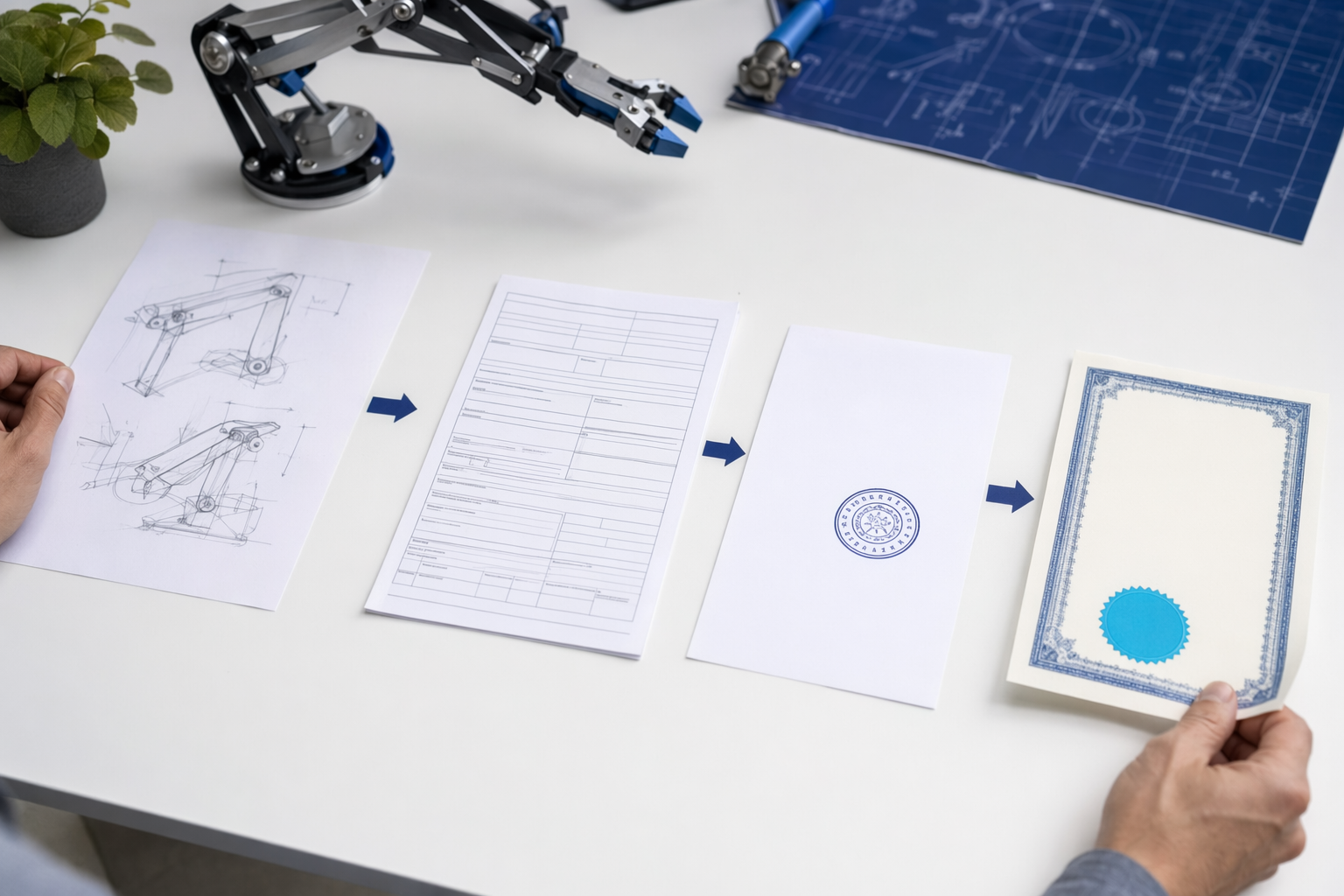
A provisional patent in plain language
A provisional patent application is a filing with the USPTO (the US Patent and Trademark Office) that describes an invention in writing. It does not lead to an immediate patent.
People often use a provisional patent to establish an early “filing date,” which can matter later if you file a non-provisional application. A filing date is the date the USPTO receives your application paperwork.
Think of it as a structured way to document your idea (with detail) while you work on prototypes, product plans, or a full application. The details matter, because a later non-provisional application can only claim priority for the parts that are supported by the provisional’s written description.
How it fits with a non-provisional patent application
In the US, a non-provisional application is the type that actually starts the formal examination process for a utility patent or a design patent. A utility patent protects how something works or is used, while a design patent protects the way something looks.
A provisional patent application generally gives you 12 months to decide your next step. If you file a non-provisional application within that time and you properly claim priority to the provisional, the non-provisional may be treated as having the provisional’s earlier filing date for relevant subject matter.
If you do not file the non-provisional in that timeframe, the provisional filing typically does not give you ongoing protection on its own.
What a provisional does—and doesn’t—do
A provisional patent application may help you:
• Set an early filing date based on what you described and supported in the document
• Create a record that you can refer to when preparing a fuller application
• Buy time while you refine your invention, talk with engineers, or test the market
A provisional does not automatically provide a granted patent, and it does not undergo the same examination step that a non-provisional application does. Also, “provisional” does not mean your invention is automatically protected against other people’s later filings.
Because the provisional is not examined, the “value” of the provisional depends heavily on the quality and completeness of the disclosure you provide. A licensed patent professional can help you understand what the USPTO expects for the kind of invention you have.
What to include in a provisional (and why details matter)
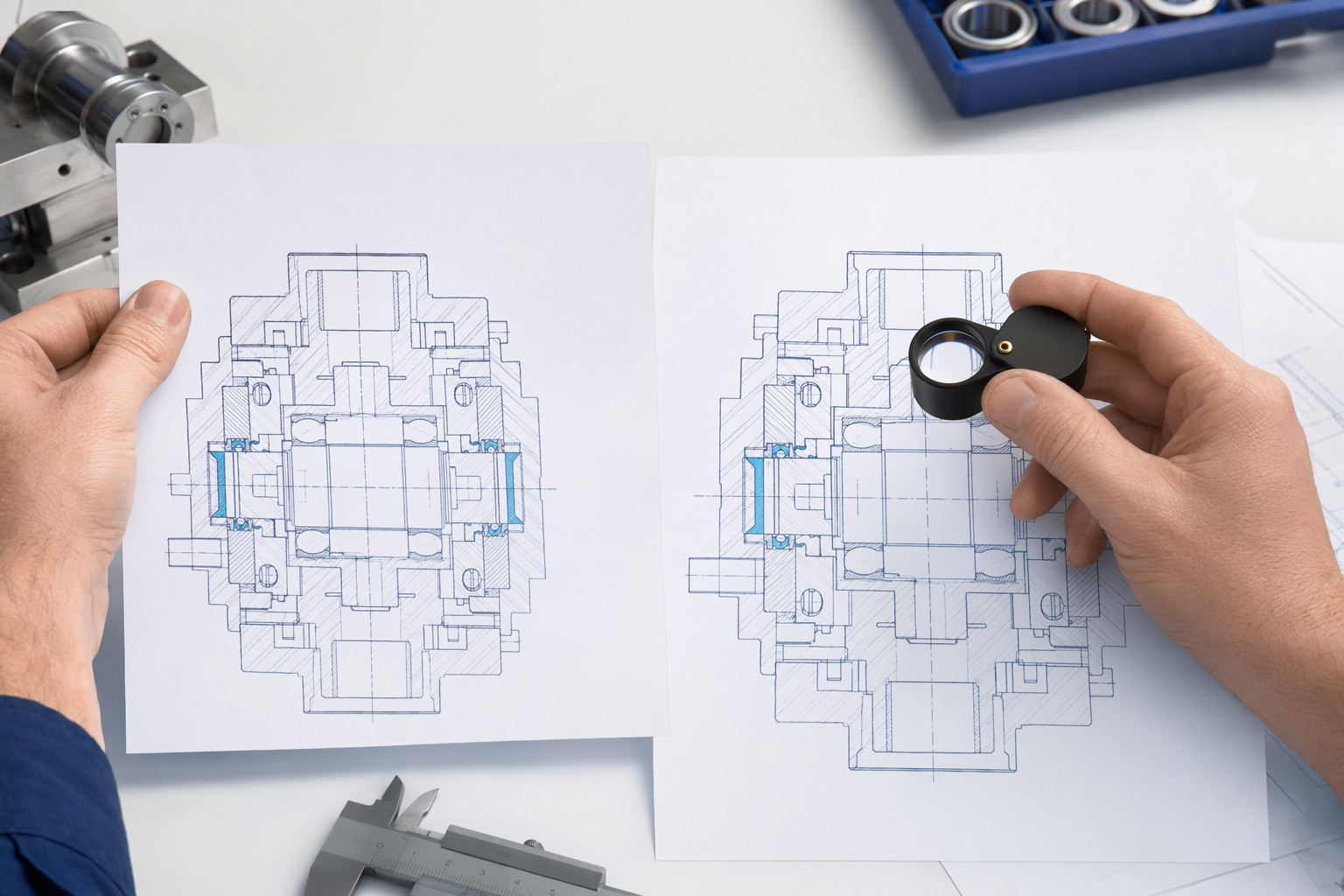
Your provisional should describe the invention clearly enough that a person skilled in the relevant field could understand how to make and use it. In practice, many inventors include written explanations and supporting drawings where appropriate.
Common items people include are: an overview of the invention, specific embodiments (examples of how it can be made or used), reference numbers for parts, and explanations of the key features that make it work. For some inventions, diagrams or drawings can be especially important.
If you’re unsure what level of detail to provide, our guides can help you learn the basics first, and we can help you find a licensed patent professional to review your situation. Use Understanding US patent basics as a starting point.
Common inventor questions
“Can I say ‘patent pending’ after filing a provisional?” Often, yes. Many applicants use “patent pending” after filing a patent application with the USPTO, but you should confirm the correct wording and timing for your situation with a licensed professional.
“Does a provisional stop others from copying?” Not automatically. Other inventors may still file patents, and they may have their own rights depending on their dates and disclosures. A provisional is mainly about establishing your earlier filing date and preparing for a later application.
“Do I need a patent attorney to file?” You can file without one, but the quality of the provisional matters. If you have a complex invention or you want to improve the chance that your later non-provisional covers the right subject matter, it’s often helpful to speak with a licensed professional.
Get matched with a licensed patent or IP professional
FiledClaim is a free service that helps you understand US intellectual property basics and we help you find a licensed patent attorney or registered patent agent (for patents) or a trademark attorney (for trademarks). We do not provide legal advice.
If you want help deciding whether a provisional patent makes sense for your invention and what to prepare next, you can start with our services overview or our getting matched page. You’ll share basic, non-confidential information about your invention so the right licensed professional can understand your needs.
For official information, you can also review guidance on the USPTO website at [USPTO.gov](https://www.uspto.gov).
A provisional patent is a US filing that can help you secure an early date for your invention while you prepare a full non-provisional patent application.
Common questions
Is a provisional patent the same thing as a granted patent?
No. A provisional patent application is a filing that can help establish an early filing date, but it is not examined like a non-provisional application and it does not automatically result in a granted patent.
How long do I have to file a non-provisional after a provisional?
Generally, you have 12 months from the provisional filing date to file a non-provisional application and (if appropriate) claim priority to the provisional for the subject matter supported by it. Details can vary by case.
What happens if I do not file a non-provisional within the deadline?
The provisional filing typically does not continue by itself. You may lose the opportunity to claim the provisional’s earlier date for a later non-provisional application.
What does “priority date” mean in this context?
A priority date is the earlier date that can be used for certain purposes (for example, to determine who filed first) when you file a later application that properly claims priority to an earlier filing. It depends on the facts and what the earlier filing supports.
Can a provisional be used for both utility and design patents?
A provisional can be used as part of the process for filing a later non-provisional application, including utility and design pathways, but the requirements for what should be disclosed can differ. A licensed patent professional can help you map the right approach to your invention.