Answers
What is a patent claim?
A patent claim is the legal sentence that defines what an inventor is asking the USPTO to protect. It matters because the claims set the scope of a patent, not the title or summary.
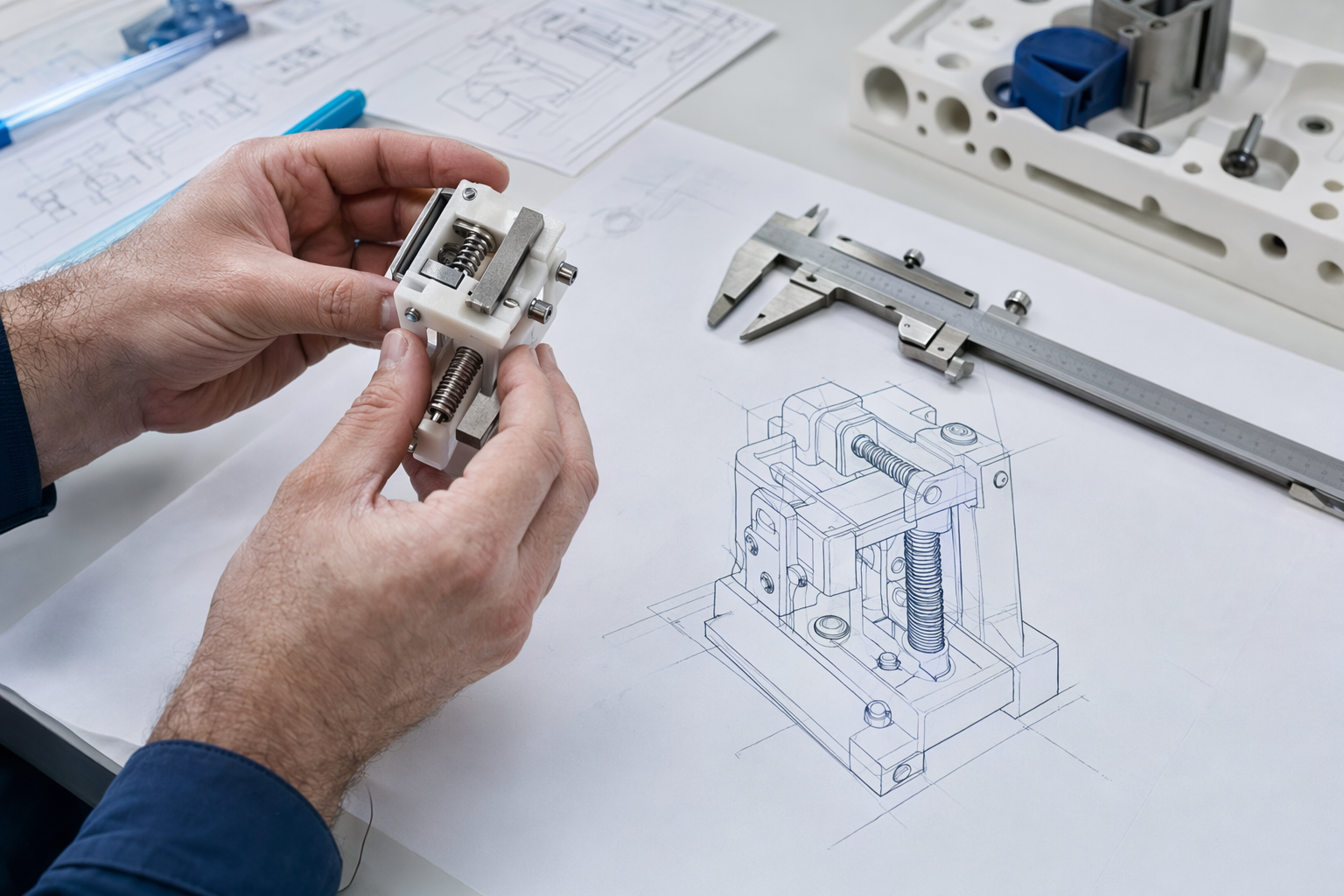
Patent claim, in plain English
A patent claim is one numbered sentence, or a set of numbered sentences, in a patent application. Each claim describes the invention in formal words and sets the boundary of protection the applicant is seeking.
Think of it like a fence line. The claim says what is inside the fence. The rest of the application explains the invention, but the claim is the part that is judged most closely during examination.
The USPTO, or United States Patent and Trademark Office, reviews claims to see whether they meet the patent rules. A licensed patent attorney or registered patent agent can help explain how claims work in your specific case. We connect you with a licensed patent or IP professional, and we do not give legal advice.
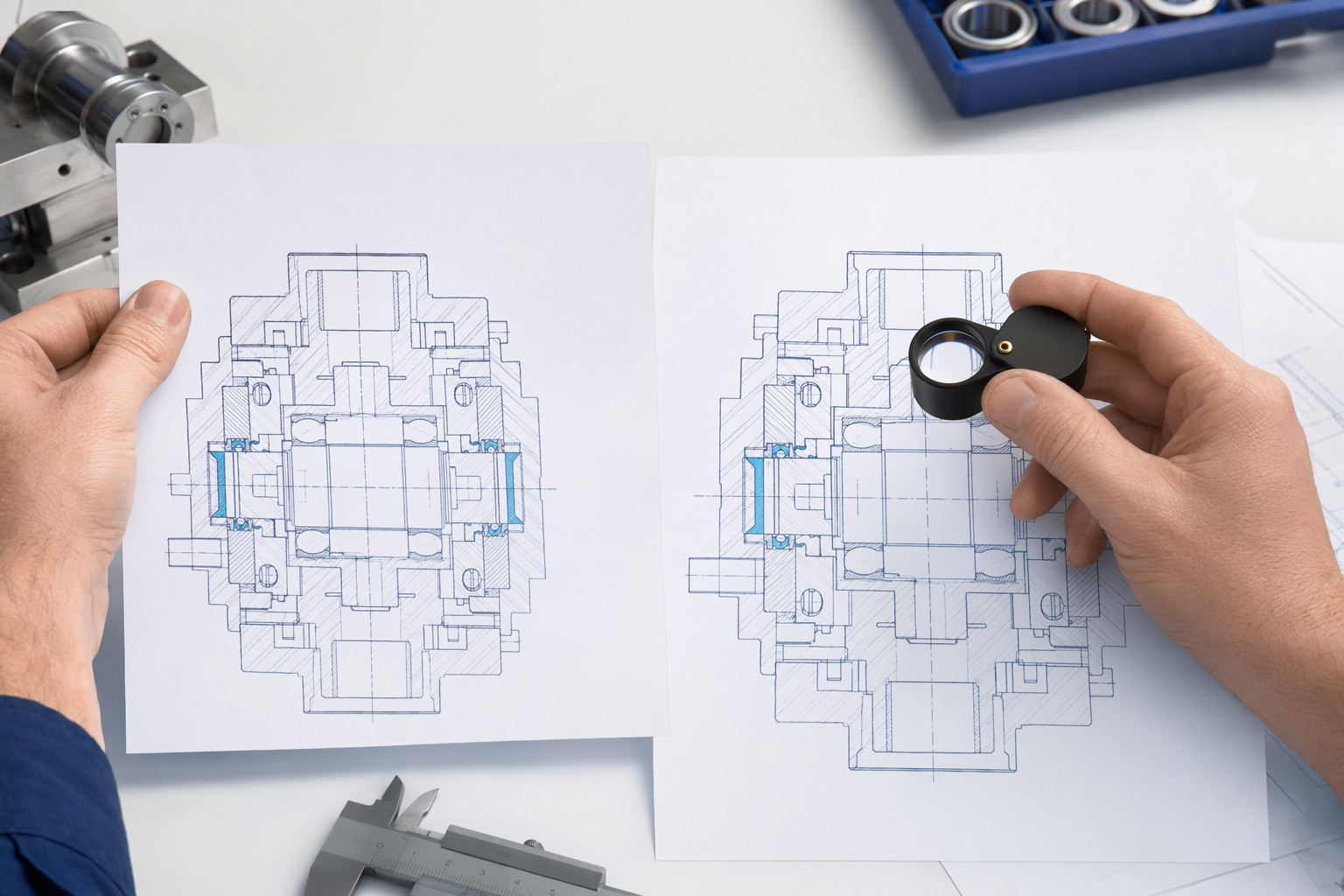
Why claims matter
Claims are important because they control what others may not be allowed to make, use, sell, or import if a patent is granted. A broad claim may cover more, but it can also be harder to get allowed. A narrower claim may be easier to support, but it protects less.
The exact wording matters. Small changes in a claim can change the meaning a lot. That is why inventors often need help from a patent professional when preparing or reviewing claims.
A patent is a government-granted right for an invention. It is not the same as the invention itself. The claim is the part that tries to define that right.
Common terms you may see with patent claims
A prior art search looks for earlier patents, published applications, products, articles, or other public information that may be relevant to whether an invention is new. Prior art means information that was already public before the filing date or priority date.
A priority date is the date used to decide what counts as earlier art against your application. In many cases, it is the earliest filing date you can claim for the invention.
A provisional application is a temporary U.S. filing that can help establish an early filing date, but it does not become a patent on its own and it does not require claims. A non-provisional application is the full patent application that is examined by the USPTO and usually includes claims.
Patents can also be utility patents, which cover how something works or is used, or design patents, which cover how something looks. Claims are central to utility patents. Design patents use a different kind of legal scope, often shown through drawings.
What claims are not
A claim is not a promise that a patent will be granted. The USPTO can reject or narrow claims during examination, and applicants may receive an office action. An office action is a written notice from the USPTO saying there are issues that must be answered or fixed.
A claim is also not a plain-language product description for customers. It is a legal definition written for patent examination and later interpretation.
If someone says a claim can guarantee protection, be careful. Patent results depend on the facts, the prior art, the wording, and the law. Those details vary by case.
How FiledClaim can help
We help you find a licensed patent attorney or registered patent agent who can explain claims, filing options, and next steps. FiledClaim is free for the reader, and participating professionals pay a flat marketing fee.
To get started, you only need to share your contact details and a short, non-confidential description of your invention or business need. Do not send secret details, source code, formulas, or other sensitive information in an open form.
You can also review our services and guides, or use get matched if you want help connecting with a licensed IP professional.
A patent claim is the legal wording that defines what part of an invention a patent application is asking the USPTO to protect.
Common questions
Do I need a patent claim to file a patent application?
For a non-provisional utility patent application, claims are usually required because they define what protection is being sought. A provisional application does not require claims, but it is only a temporary filing and does not become a patent by itself.
Can I write patent claims myself?
Yes, some people draft their own claims, but claim wording is technical and important. A licensed patent attorney or registered patent agent can help review or prepare claims based on your facts.
Are patent claims the same as a patent?
No. A patent is the legal right granted by the government if an application is allowed. Claims are the numbered statements inside the application or patent that define the scope of that right.
Where can I learn more from official sources?
The USPTO has public information on patent basics, filing, and examination. You can also review guidance on Copyright.gov for copyright and the USPTO for trademarks if you are comparing different types of IP.