Answers
Can i file a patent myself?
Yes, you can generally file a patent application yourself in the US. But patents involve detailed rules and deadlines, so many people choose a licensed patent attorney or registered patent agent to help reduce costly mistakes.
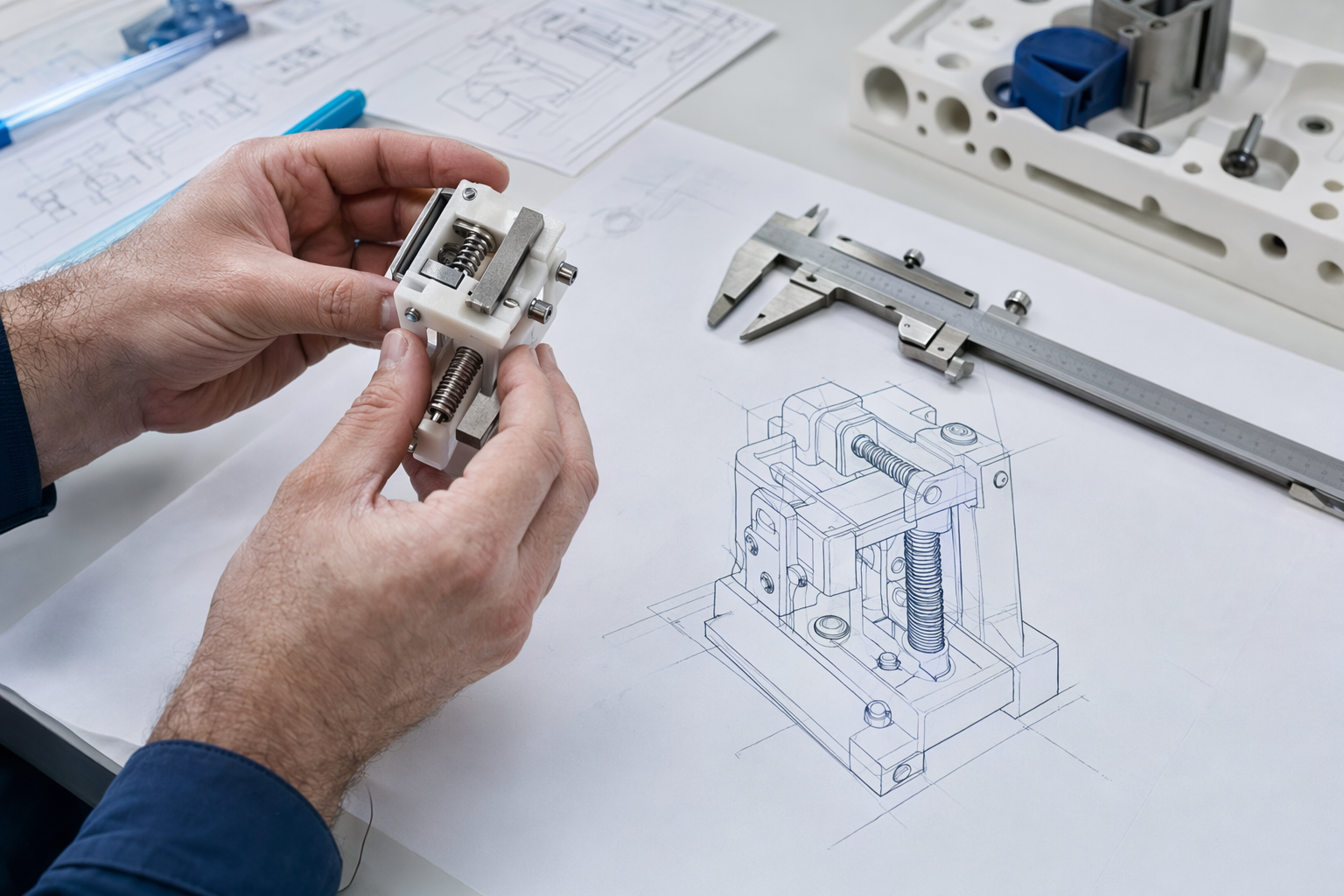
Short answer: you may be able to file a patent yourself
In the United States, inventors can submit many patent applications without hiring a lawyer. This is often called “pro se” (meaning you represent yourself).
However, “can file” is not the same as “should file.” Patent law and USPTO (United States Patent and Trademark Office) procedures are complex. A small error in wording, drawings, or deadlines can delay the process or require you to fix issues later.
If you want to understand your options, we help you find a licensed patent professional—so you can compare what you can do yourself versus what might be worth professional help. You can start by exploring guides and then get matched.
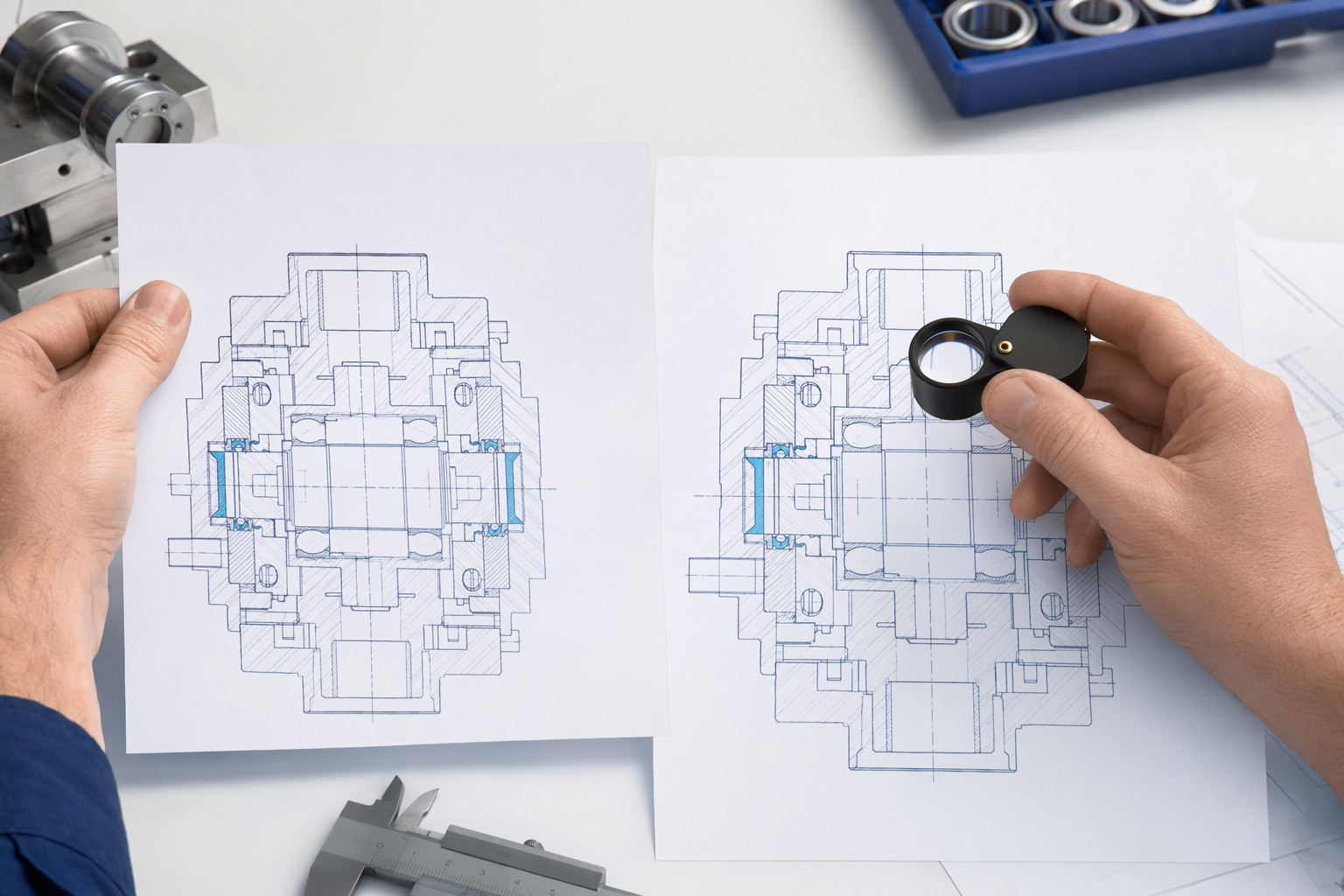
What kinds of patents can you file yourself?
The two main types inventors commonly consider are a utility patent and a design patent.
- A utility patent protects how something is used or how it works (the “functional” aspects).
- A design patent protects how something looks (the “ornamental” appearance), like the shape or surface design.
Each type has different rules for what you must include—especially drawings and how the claims (the numbered legal statements that define what you’re claiming) are written.
Because claims are so important, many applicants who file themselves focus on getting the basic filing done while planning to consult a professional when it’s time to refine claim language.
Why DIY patent filing can be risky (even if you can do it)
A patent application is judged against prior art, which is existing information in the public domain—like earlier patents, published applications, academic papers, products, or public presentations. If your invention is too close to prior art, it can affect whether you can get strong, patentable claims.
Also, patent examiners at the USPTO often issue an office action, a formal letter explaining objections or rejections and what you can do next. Responding to an office action can require specific legal and technical arguments.
Timing matters too. You may hear about priority dates and deadlines, including dates tied to earlier filings (for example, certain provisional steps). If you miss a deadline, it can limit your options.
Because of these risks, filing yourself can be practical for some people, but it’s still worth learning the process first.
A safer DIY approach: file to learn, then get help when it matters
If you’re trying to handle things yourself, a common strategy is to start with a clear plan:
1) learn the basics of the application and claims,
2) gather the technical information and drawings needed, and
3) decide when to involve a licensed professional.
Many inventors choose to consult a professional before the most consequential parts—like drafting or revising claim language, dealing with office actions, or conducting a deeper prior art search.
If you’re unsure where you are in the process, you can use our resources at guides and then get matched to talk with a licensed patent or IP professional about your situation. We help you find someone who can explain next steps in plain language.
When you should seriously consider hiring help
Consider getting help from a licensed patent attorney or registered patent agent if any of the following apply:
- Your invention is closely related to existing products or you’re unsure about prior art.
- You plan to raise funds, expand quickly, or negotiate licensing—where claim scope and clarity matter.
- You receive an office action or anticipate one.
- Your invention involves complex technology, software claims, chemistry, or multiple components.
A professional can’t guarantee outcomes, but they can help you avoid common filing errors and respond effectively when the USPTO examines your application.
To explore starting points for your needs, visit services.
You can often file a US patent application yourself, but the rules and claim drafting are complex, so it’s usually best to learn first and consider licensed help for key steps.
Common questions
Do I have to be a lawyer to file a US patent application?
No. In the US, you can generally file a patent application yourself as an inventor. The USPTO still expects you to follow detailed rules for forms, content, and claim structure.
What is the difference between a provisional and a non-provisional patent application?
A **provisional application** is a temporary filing that can establish an initial filing date, but it doesn’t itself become a full patent application. A **non-provisional application** is the formal application that goes through examination with the USPTO. Rules and timing can vary, so it’s smart to confirm details with official USPTO guidance or a licensed professional.
Can I just describe my invention and submit it to get a patent?
In practice, no. A patent application must include specific written content and, in many cases, drawings. Most importantly, you must include claims—numbered statements defining the legal scope of what you’re seeking to protect.
If I file myself and get rejected, can I fix it later?
Often you can respond to an office action and make changes, but the timing and what you’re allowed to change depend on the situation and the application record. Getting help before responding can reduce the chance of costly mistakes.
Does FiledClaim file patents for me?
No. FiledClaim is a free service that helps you understand US IP basics and connect you with a licensed patent or IP professional. We do not provide legal advice or file patent applications on your behalf.