Guides
Utility vs Design Patent
In the US, a utility patent protects how an invention works, while a design patent protects how it looks. This guide explains the differences in plain language with examples and next steps.
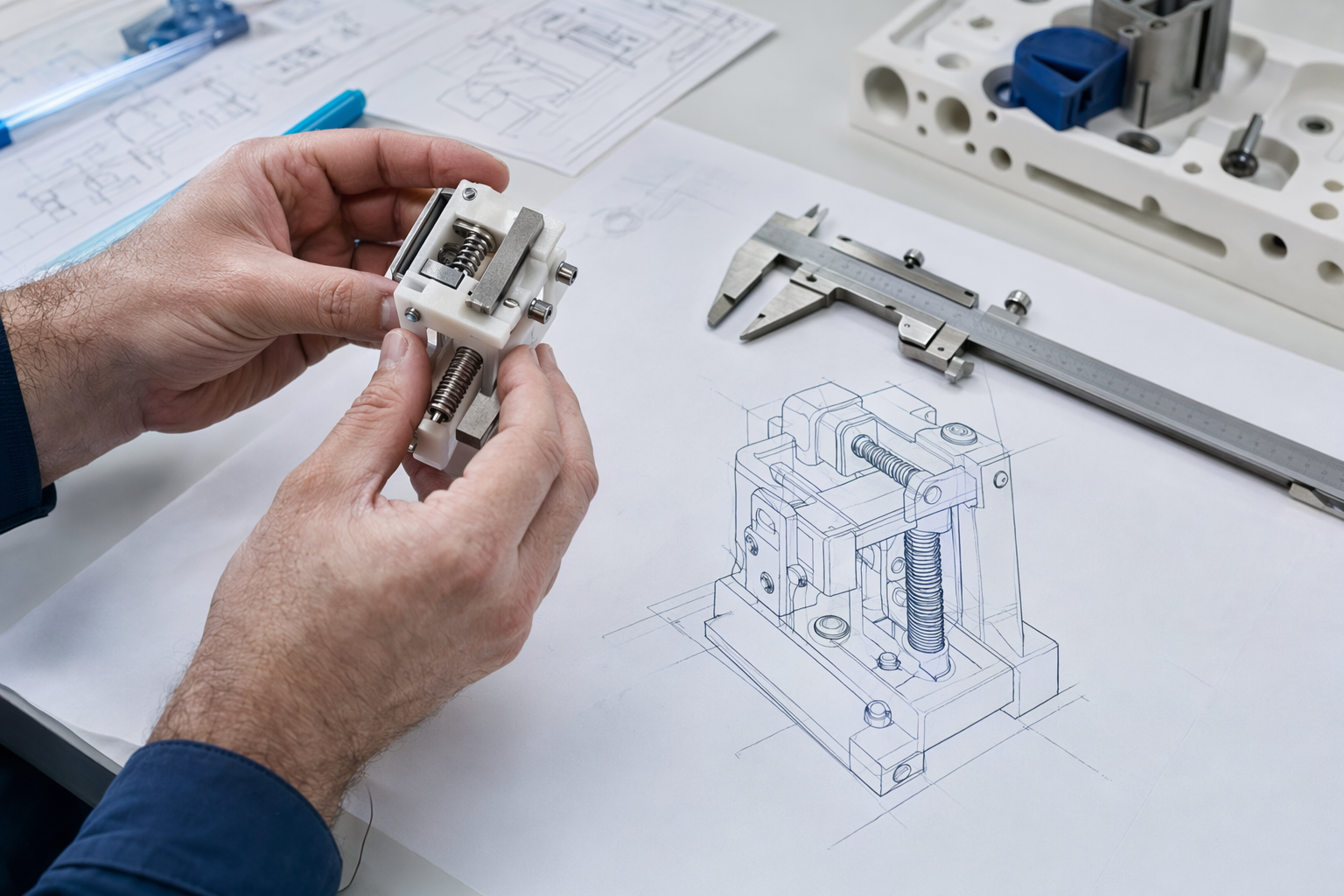
Quick overview: utility vs design
A utility patent protects the functional side of an invention—its usefulness and how it operates. It covers things like processes, machines, and useful improvements.
A design patent protects the appearance of a manufactured item—its visual design. That includes shapes, surface ornamentation, and overall look.
Both are filed with the USPTO (United States Patent and Trademark Office, the US government agency that handles patents). The right choice depends on what you want to protect: functionality or appearance—or both.

What a utility patent protects (how it works)
A utility patent generally focuses on the “mechanics” of an invention. Think about what the invention does and how it achieves that result.
Common examples include:
- A new type of folding mechanism for a chair
- A software method for managing inventory (when claimed as a qualifying invention)
- A new device that improves how something dispenses, heats, measures, or connects
In a utility application, you’ll typically include detailed written descriptions, drawings (if needed), and claims. A claim is the legal definition of what you are asking to protect. Examiners at the USPTO compare your claims to prior art, which means earlier public information (for example, published documents, patents, or public use) that may affect whether your invention is new and non-obvious.
What a design patent protects (how it looks)
A design patent focuses on visual appearance for an article of manufacture. It does not protect “function” in the same way a utility patent does.
Common examples include:
- The unique shape of a bottle
- The ornamental pattern on a sports shoe
- The specific surface design on a phone case
Design patents rely heavily on drawings that clearly show the design from the right angles. The USPTO evaluates whether the design is new and non-obvious compared to earlier designs. If your goal is mostly aesthetic—what customers can see—design protection may be the better fit.
How to choose the right one for your invention
Start by separating your invention into two questions:
1) Does the value mainly come from function? If yes, a utility patent is often the priority.
2) Does the value mainly come from visual appearance? If yes, a design patent may be the priority.
Many products involve both. For example, a new lamp could include an improved internal mechanism (utility) and a distinctive exterior look (design). In some cases, people pursue both types to cover different aspects—function and appearance.
Plain-language comparison table
Here’s a simplified comparison to help you think it through:
- Utility patent: Protects how something works and produces a useful result.
- Design patent: Protects how something looks—its ornamental features and overall appearance.
- Claims emphasis: Utility claims are about functional features; design patents emphasize the design as shown in drawings.
- Drawings role: Both may require drawings, but design patents often depend on them more directly.
If you’re unsure, the safest approach is to describe your product to a licensed patent professional (a patent attorney or a registered patent agent). They can help you understand claim scope and what to prepare for the USPTO—without making promises about outcomes.
- Tip: If you can explain the “why it works” in steps, utility is likely relevant.
- Tip: If the first thing people notice is shape, pattern, or style, design is likely relevant.
Next steps: how to move forward
Before filing, it helps to gather basic information: what the product is, what makes it different, and whether your focus is function, appearance, or both. You can also review relevant guidance from official sources like the USPTO website.
If you want help finding a qualified professional to discuss your specific situation, FiledClaim is a free service that helps you get matched with a licensed patent or IP professional. Learn what to expect here: Get matched and browse our options at Services.
For general learning and preparation, see our guides hub: Guides.
Utility patents protect how your invention works, while design patents protect what it looks like—picking the right one depends on whether your main value is function, appearance, or both.
Common questions
Can I file both a utility and a design patent for the same product?
Yes, it can be possible to pursue both if you have (1) functional features you want to protect and (2) visual design features you want to protect. A licensed patent professional can help you decide how to separate those aspects and how claims and drawings should be prepared.
Does a design patent protect the “function” of my product?
Not in the same way a utility patent does. A design patent primarily protects the appearance of the product—its ornamental design—rather than the underlying functional method or mechanism.
What is prior art, and why does it matter?
Prior art is earlier public information that can be used to challenge whether your invention or design is new and non-obvious. The USPTO compares what you claim against prior art during examination.
What is the difference between a provisional and non-provisional patent application?
A **provisional application** is a simpler filing that can help establish an early filing date, but it does not itself result in a granted patent. A **non-provisional application** is the formal application examined by the USPTO. Exact rules and deadlines can be complex, so a licensed professional can guide you.
Will using the wrong patent type cause me to lose my protection?
Not necessarily, but choosing the wrong type can limit what you actually protect. Claims define the protection, and utility vs. design claims cover different things. It’s best to discuss your goals with a licensed professional to avoid misunderstandings.