Free downloads
IP Cost Worksheet
Estimate common IP costs before you start. This free worksheet helps you think through attorney flat fees, USPTO fees, and simple budget questions without sharing secret invention details.
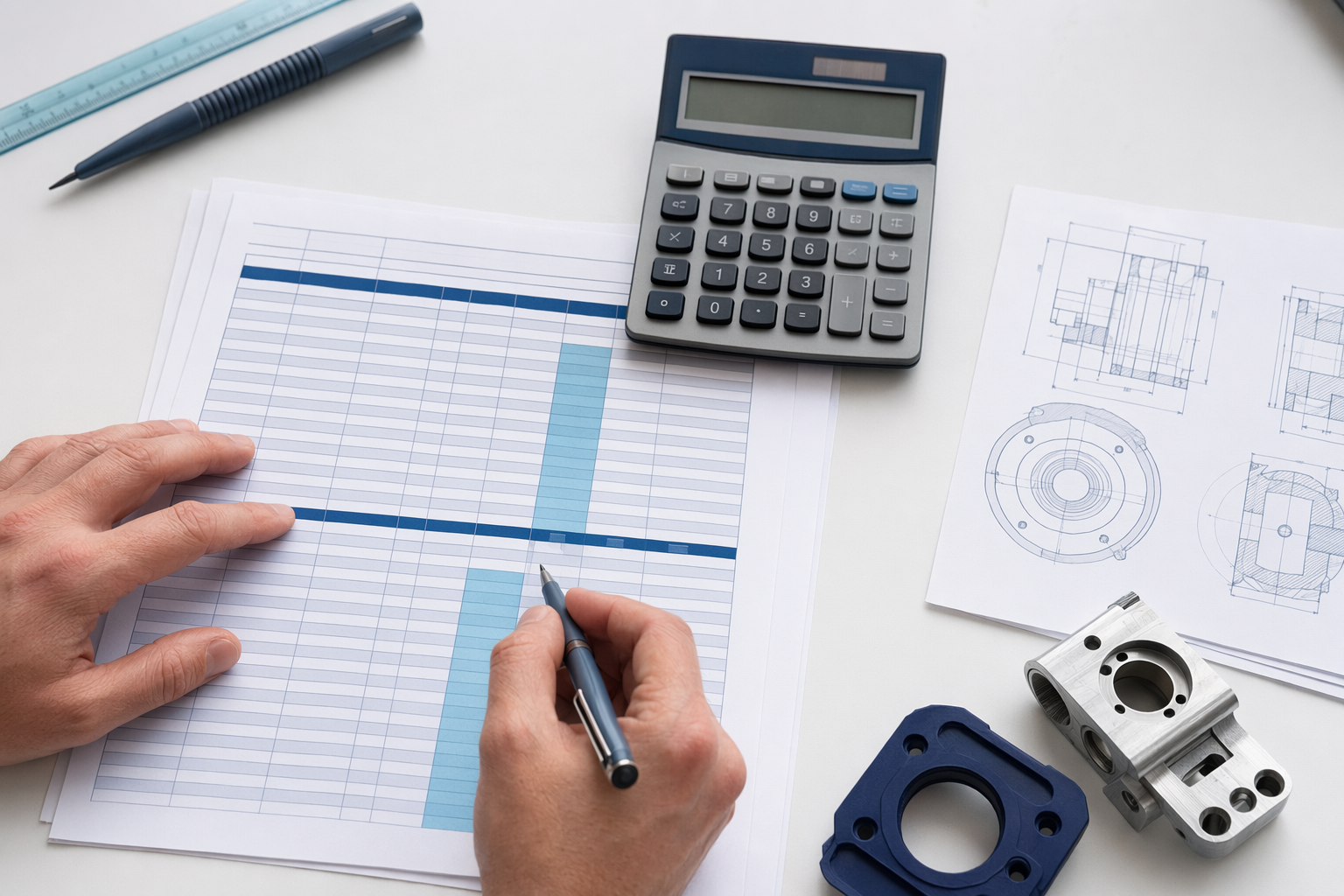
What this worksheet is for
This worksheet is a planning tool. It helps you estimate the cost of common intellectual property steps in the United States before you spend money.
It is not legal advice. FiledClaim is not a law firm, and we do not decide what protection you need. We help you understand the basics and connect you with a licensed patent attorney, registered patent agent, or trademark attorney if you want help.
Use it to compare options, set a budget, and prepare for a first conversation. You can also start at our services page or see how get matched works.
What costs may show up
Intellectual property usually has more than one cost. There may be professional flat fees, government fees, and later maintenance or response costs.
A patent is a government-granted right that can protect an invention. A claim is the legal sentence in a patent application that defines what is being protected. Prior art means public information that existed before your filing date, and it can matter when a patent professional reviews your idea.
A trademark protects a brand name, logo, or slogan used to identify goods or services. Copyright protects original creative work such as writing, art, photos, music, or software code. The USPTO, or United States Patent and Trademark Office, handles patents and trademarks.
How to use the worksheet
Start with your goal. Are you trying to protect an invention, a brand, or creative work? Then list only the basic facts you already know, such as whether you want a patent search, a provisional patent application, a non-provisional patent application, a trademark application, or a copyright registration.
A provisional patent application is a lower-formality patent filing that can help establish an earlier priority date, which is the filing date used as a reference point in some patent matters. A non-provisional patent application is the main patent application that can move through USPTO examination. A utility patent protects how something works, while a design patent protects how something looks.
For each path, note the likely flat-fee range from the professional and any official government fees listed by the USPTO or Copyright Office. Then add a buffer for office actions, revisions, or other follow-up work.
What to budget for
Your total budget may include a few common items.
- Initial consultation with a licensed professional
- Search or review work
- Drafting and filing fees
- USPTO or Copyright Office filing fees
- Responses to office actions, if they happen
- Extra filings if your plan changes
Office action means a written notice from the USPTO or Copyright Office that raises questions, requests changes, or explains an issue with the application. If you receive one, a licensed professional can explain your options.
If you are comparing quotes, ask whether the price is a flat fee for a specific task and what is included. If anything is unclear, ask before you file.
When to use FiledClaim
Use FiledClaim if you want a simple first step and do not want to guess at the process alone. We help you find a licensed patent or IP professional who can review your situation and talk through next steps.
We do not collect secret invention details in a form. A short, non-confidential description is enough to start. You should not share confidential source code, full technical drawings, unpublished product details, or other sensitive material unless a licensed professional tells you how to do that safely.
If you are ready to compare options, start with get matched or review the tools page for more planning resources.
This page helps you estimate IP costs in plain terms so you can budget before you speak with a licensed professional.
Common questions
Is this worksheet legal advice?
No. It is general planning information only. For advice about your facts, speak with a licensed patent attorney, registered patent agent, or trademark attorney.
What is the difference between a flat fee and USPTO fees?
A flat fee is the professional’s set price for a defined service. USPTO fees are government fees paid to the United States Patent and Trademark Office, and they are separate.
Do I need to share my invention details to use the worksheet?
No. Use a short, non-confidential description only. Do not include secret technical details, passwords, or private financial information.
Will this tell me if my patent or trademark will be approved?
No. No worksheet can promise that result. A licensed professional can help you understand the process and common risks, but approval or registration is never guaranteed.