How we've helped
A small business protects a product's look
A family business saw a competitor copy the distinctive shape of its product. They used a design patent to help protect the product’s look and worked with a licensed professional to move forward.
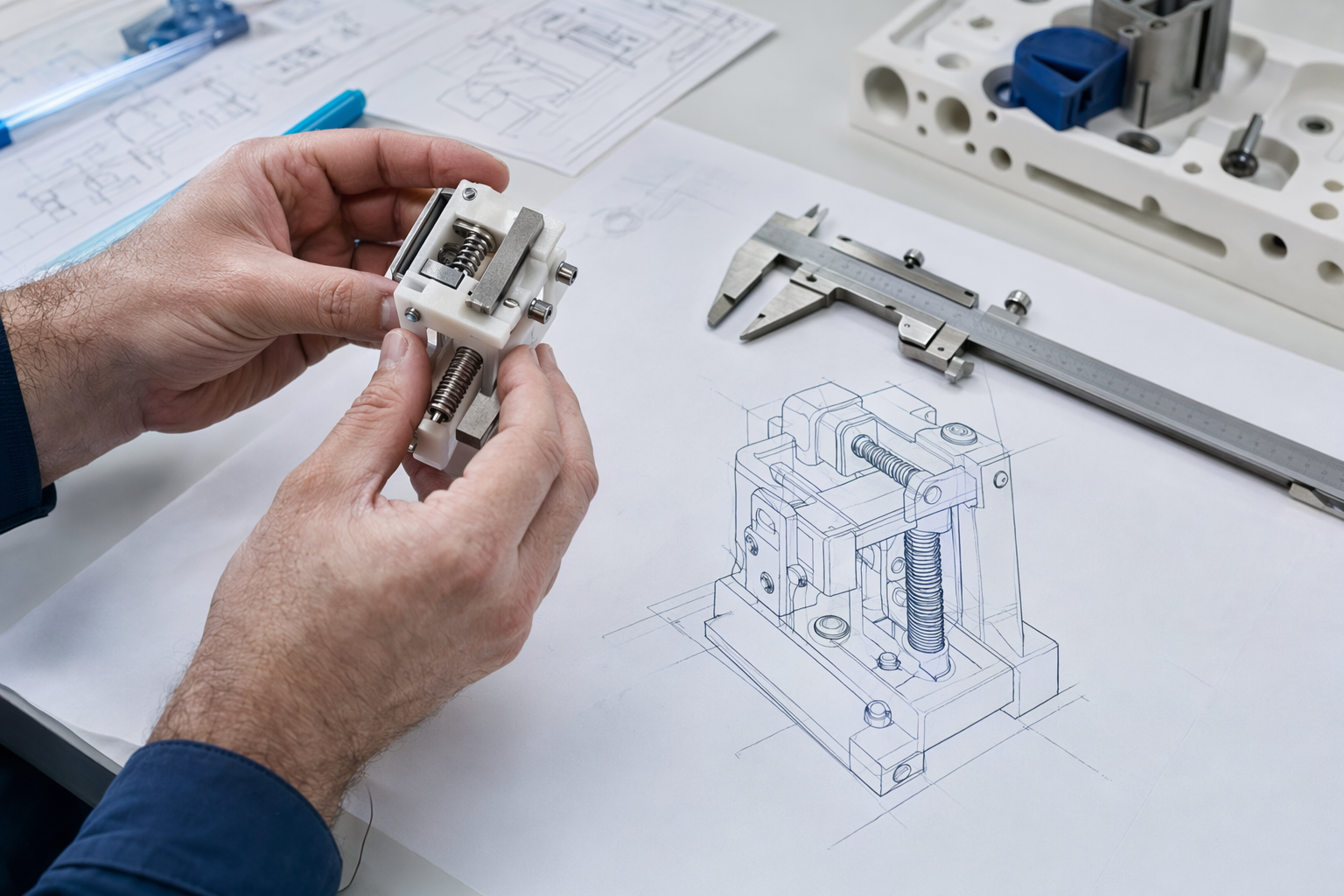
The problem: the product’s look was copied
Marta and her family run a small business that makes a simple consumer product. Over time, they built a loyal customer base—because the shape was recognizable on a shelf.
One day, they noticed a competitor selling a very similar version. The function was close, but the bigger concern was the look. Customers also asked why the new product “looked the same as ours.”
They realized that utility—how something works—was not the main issue. What they wanted to protect was the distinctive appearance: the product’s overall shape and visual features.

Choosing the right IP tool: design patents (and what they cover)
In the US, a design patent is a type of patent that protects the way an article looks, not how it works. It focuses on the visual design—often shape, surface ornamentation, and the overall appearance.
The team also learned that other IP options exist, but each fits different goals. A copyright protects original creative works in a fixed form, like certain artwork. A trademark protects brand identifiers like logos, product names, and trade dress in some situations.
For their situation, the strongest match was design protection because the copied part was primarily the product’s appearance. Still, the final decision depends on the facts, the drawings/photos, and the specific claim strategy a professional recommends.
Preparing the application: drawings and a clear “design” description
A design patent application depends heavily on clean, accurate visuals. The business gathered product photos and drafted drawings that could clearly show the design from multiple views.
They treated the design as something specific and consistent. They also made sure the visuals supported what they planned to claim—since a design patent claim is about the scope of the design being protected.
Because small details matter, they sought guidance from a licensed patent attorney or registered patent agent who focuses on patents. That professional helped them align the drawings with the intended legal scope and the application requirements set by the USPTO (United States Patent and Trademark Office).
Moving forward after notice: speed matters and outcomes vary
Once they saw the copying, they wanted to act quickly. In US patent practice, timing can affect what rights you may be able to claim. The US system also has concepts like prior art, meaning earlier publicly available information that may impact whether a design is considered new.
Design patents also involve application processing at the USPTO. Sometimes examiners ask for changes through an office action (a written notice from the USPTO that may raise questions or objections). A professional can help respond appropriately.
FiledClaim helps you understand these steps and then we help you find a licensed patent professional to review your situation. We do not promise a specific result, and design protection decisions depend on the application details and the USPTO’s review.
What the business learned: protect the look, document the timeline, stay focused
The family business said the biggest lesson was clarity. They documented when they started selling their product, when they first noticed the copy, and what visual features made their product distinctive.
They also learned to separate brand identity from product appearance. If a competitor copies the design, a design patent may help for the product look. If the issue is confusion about brand source—like names or logos—a trademark discussion may be more relevant.
If you’re facing a similar situation, you can start by learning the basics and organizing non-confidential information. Then we can help you find the right licensed professional to discuss next steps. You can browse our services to see the kinds of support we offer, and use get matched when you’re ready.
A small family business protected a copied product look by pursuing a design patent and working with a licensed professional to prepare strong visuals—while keeping expectations realistic about outcomes.
Common questions
What is a design patent, in plain terms?
A design patent is a US patent that protects how a product looks—not how it works. It covers the visual design of an article, usually the overall shape and any surface ornamentation shown in the application drawings.
Does a design patent cover a competitor copying my product’s function?
Typically, no. A design patent focuses on appearance. If the main issue is how the product works (function), you may need to explore other IP options, including a utility patent (for how something works) with a licensed professional.
How important are drawings for a design patent?
Very. Design patents rely on the visual figures you submit, and the claim scope is tied to what the application shows. Clear, accurate drawings or compliant images are critical for a strong application.
If a competitor copied me, will I automatically win?
No outcome is automatic. The USPTO reviews applications, and prior art (earlier public information) and the quality of the application materials can affect what happens.
How does FiledClaim help?
We help you understand US intellectual property basics and we connect you with a licensed patent attorney or registered patent agent who can discuss your situation. The service is free for you to use, and professionals may pay a flat marketing fee to participate.