Answers
Do i need an nda before showing my invention?
You may not always need an NDA (non-disclosure agreement) before talking about your invention, but using one can help protect non-public information in the US. Here’s when an NDA makes sense and what to do next.
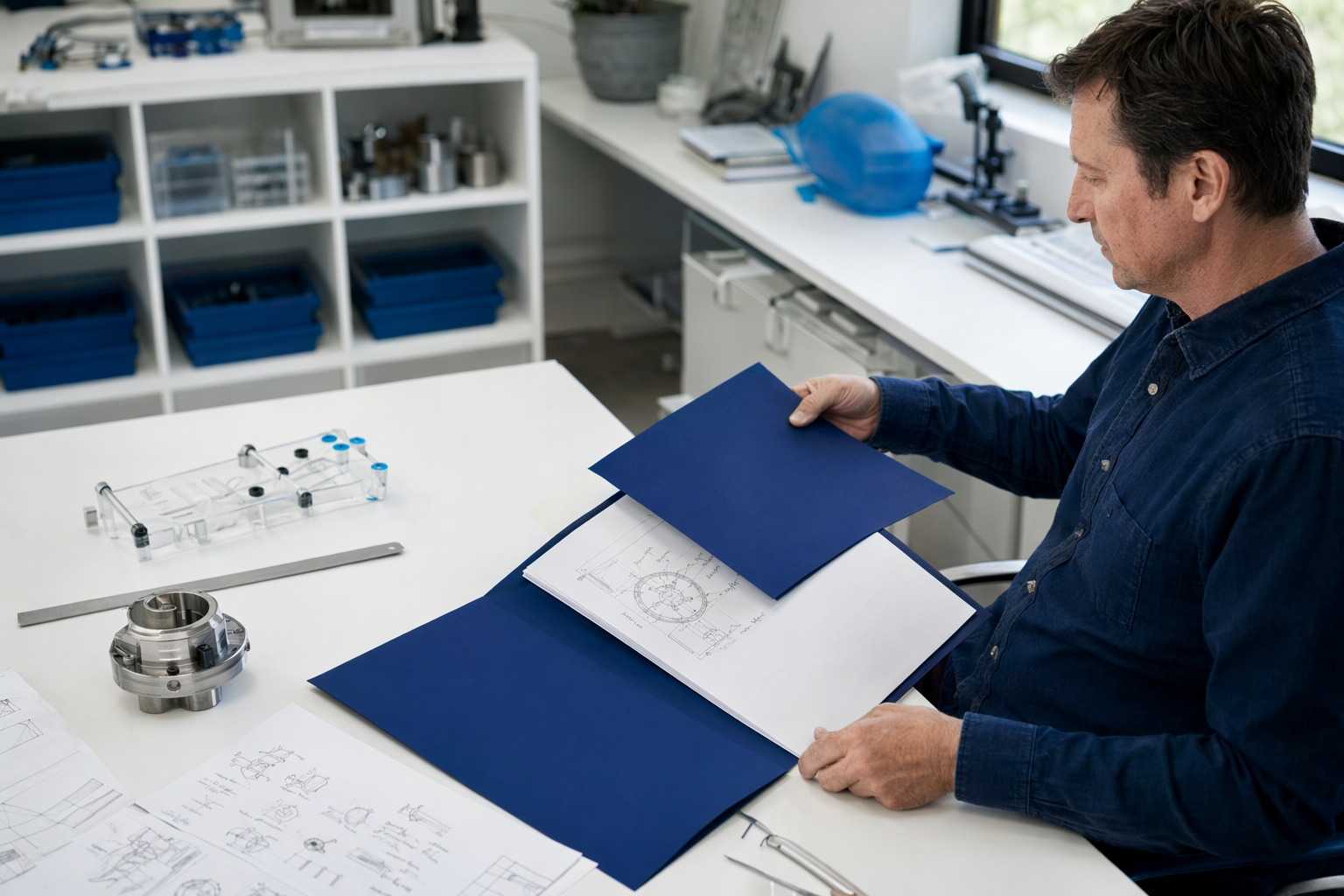
Start with what you’re trying to protect
People often ask about NDAs when they want to protect an “idea.” In US IP law, an idea alone is usually harder to protect than specific, non-public details.
A patent is for a new invention and requires details of how it works. A copyright protects original written or creative expression (like drawings or software code), not the underlying idea. A trademark protects brand identifiers (like product names and logos), not an invention.
Because your goal matters, “Do I need an NDA?” depends on whether you’re sharing: (1) general concepts, (2) specific technical details, or (3) drawings, prototypes, or other concrete materials.
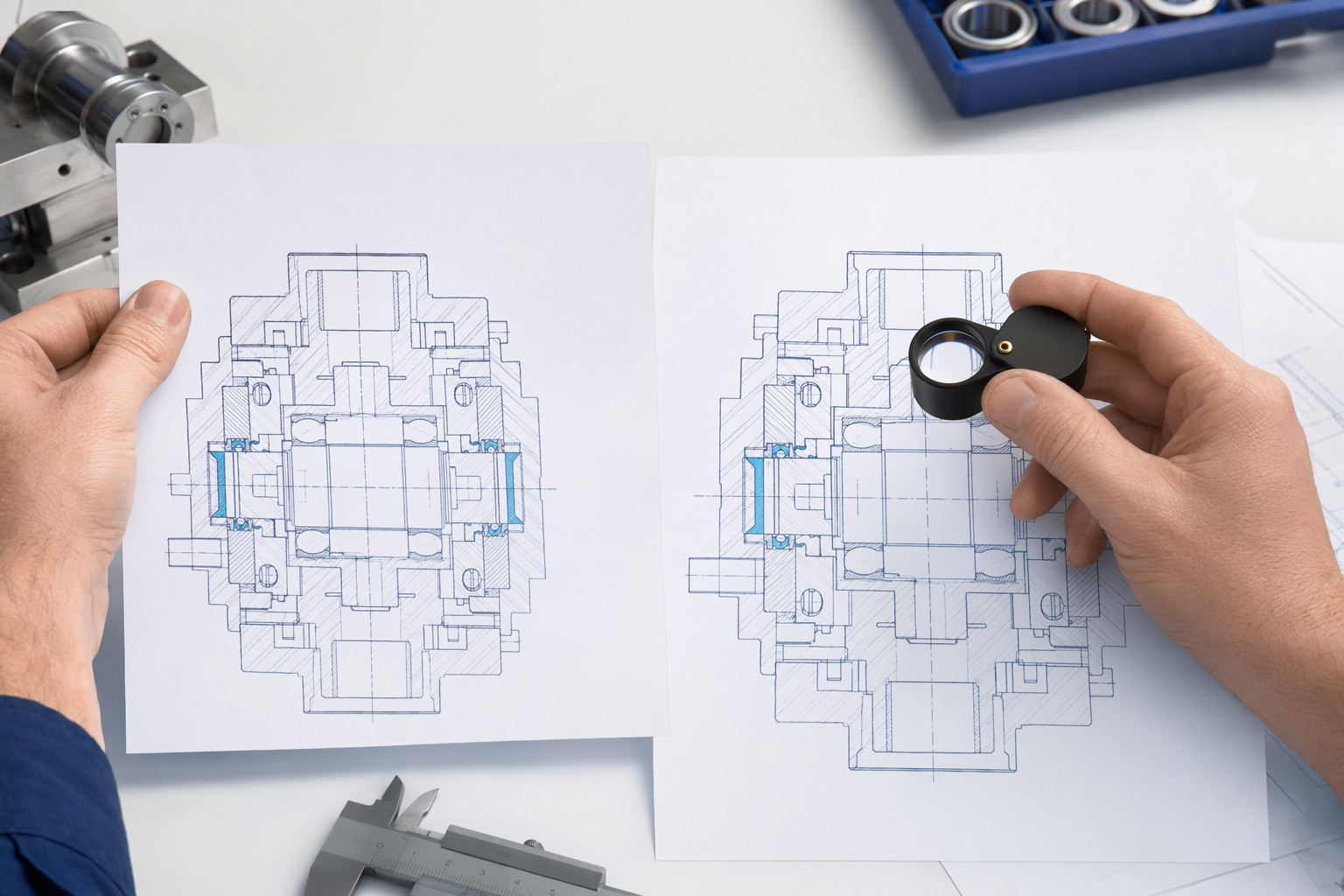
When an NDA is usually a good idea
An NDA is a contract that helps define what information is confidential and limits how it can be used or shared. NDAs do not guarantee IP protection, but they can help if someone later uses your non-public information without permission.
An NDA is commonly helpful when you plan to disclose specific, non-public details to someone who may have a reason to use or copy them—like a potential partner, manufacturer, investor, or consultant.
If you’re sharing drawings, engineering notes, prototype performance data, or specific design information, an NDA is more likely to matter than if you’re only talking about a high-level concept.
When you might not need an NDA (or may use lighter steps)
If you’re not sharing confidential details—only broad, publicly understandable information—you may decide you don’t need an NDA. For example, you might describe the overall problem your invention addresses and your general approach without revealing the specific method or structure.
Another option is “limited disclosure,” where you share only what’s necessary for a discussion and avoid the most sensitive parts until later. In practice, many people use a short initial conversation without details, then send a draft NDA before deeper discussions.
Still, be cautious: even without an NDA, you may have other legal options depending on the situation. But those options vary by state and facts, so it’s best to think in terms of risk and how much detail you plan to share.
Important timing issue: public disclosure can affect patent options
In US patent practice, certain kinds of public disclosure can affect whether you can later get patent protection. A key concept is “prior art,” which is information publicly available before a relevant date that can be used to judge novelty.
If you are considering patenting, you typically want a strategy before sharing details publicly. “Provisional” and “non-provisional” are two common US patent filing types. A provisional patent application can establish an early filing date, while a non-provisional patent application is the formal request that leads through patent examination.
Because the rules can be fact-specific and change over time, consider speaking with a licensed patent professional before you share detailed invention information widely. For general next steps, see Patent basics for inventors.
What to do before you share
A practical approach is: (1) write down what you plan to disclose, (2) separate “general pitch” from “confidential technical details,” and (3) document that you asked for confidentiality before sharing.
If you decide an NDA is appropriate, use it before you share sensitive details—not after. Also, keep your communications consistent: if a party signs an NDA, your follow-up should match what the NDA covers.
We can help you get matched with a licensed patent or IP professional who can explain how disclosure timing and IP strategy may apply to your situation. We’re not a law firm and we don’t provide legal advice, but we can help you find someone licensed to advise.
How FiledClaim can help (without sharing trade secrets here)
When you contact IP professionals, they usually need basic context to advise you. FiledClaim can help you prepare for that conversation by collecting your contact details and a short, non-confidential description of what you’re working on.
You don’t need to send secret formulas, proprietary code, or detailed internal designs through a form. Share only high-level information at first, and let the professional guide what should be discussed under an NDA.
If you want an organized starting point, visit services and browse our general guides at guides.
An NDA is often a good idea when you share non-public invention details, but it doesn’t replace a patent or other IP strategy—so plan your disclosure timing carefully before you talk.
Common questions
If I tell someone my invention concept, does that automatically mean I need an NDA?
Not automatically. If you share only a high-level concept that doesn’t reveal specific, non-public details, an NDA may be less important. If you share specific technical details, drawings, or how it works, an NDA is usually a stronger choice.
Can an NDA stop someone from copying my idea?
An NDA can help protect non-public information by contract, but it doesn’t guarantee outcomes. If someone can independently develop similar information, the NDA may not stop it. An IP strategy (like patents, copyrights, or trademarks where relevant) is often still needed.
Will an NDA help me get a patent?
An NDA can help keep information confidential, which may reduce “public disclosure” risk. But NDAs do not replace patent filings or affect whether your invention meets patent requirements. Your timing and how the information is shared still matter.
Is there one NDA that fits all inventors and businesses?
No. NDAs can differ in what they cover, how long confidentiality lasts, and what happens if there’s a dispute. A licensed IP professional can help you understand common NDA terms and how they may fit your situation.
When should I talk to a patent professional before sharing?
If you plan to share detailed invention information with others—especially before filing anything—it’s often smart to discuss disclosure timing first. A patent professional can help you think through non-provisional vs. provisional options and how prior art/public disclosure issues could apply.